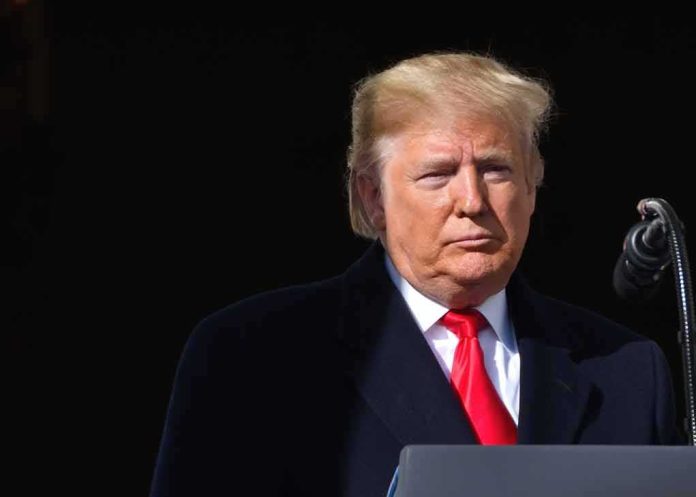
President Trump is turning the last month before the midterms into a nonstop, 32-day campaign sprint to keep Congress red.
At a Glance
- Trump announced a 32-day tour to boost Republicans in the midterms.
- The push starts in Texas, with additional stops in key states to follow.
- The goal is simple: protect the House and Senate majorities.
- Midterms usually cut against the president’s party, so turnout is everything.
Trump Sets the Pace for the Final Month
President Trump said he will spend the next 32 days on the road to back Republican candidates and defend control of Congress. He framed the tour as a full-court press that puts his record and agenda front and center in the closing stretch. The plan underscores how high the stakes are for policy, judges, and the budget. A clear goal drives the blitz: raise Republican turnout where it counts and blunt Democratic momentum.
The schedule launches with a stop in Texas and expands to other competitive states. Advisers previewed visits to Ohio and more “all different places,” a nod to a map that mixes safe territory with battlegrounds. That choice reflects a classic play: energize the base in friendly areas while lending star power where races look tight. The White House and party committees see the president as the strongest closer they have in the final month.
Why Presidents Do This in Midterms
Presidents campaign in midterms because the numbers demand it. Since World War II, the party in the White House usually loses House seats. Travel can help limit the damage by lifting turnout and local fundraising, especially in toss-up races. Research on presidential travel shows a pattern: visit close contests, reinforce reliable counties, and keep the press oxygen on your issues, not your opponent’s claims.
Campaign stops also sharpen a national message. Trump’s rallies highlight border security, energy, inflation, and crime. Those themes animate conservative voters and frame the choice beyond local debates. Strategists expect the tour to match resources to races where a late surge could decide control. The map rewards discipline: fewer selfies, more earned media, and high-energy events that cut through crowded news cycles and early voting windows.
The Strategic Map: Base First, Margins Second
The opening in Texas sends a signal about priorities: lock down core states, then push outward. Republicans often start in red or red-leaning areas to build momentum and volunteer muscle. From there, the tour can flow to suburbs in states like Ohio or others where one or two points decide the seat. That blend can be smart politics. It banks turnout where support is deep and focuses late visits where a rally can tip persuadable or low-propensity voters.
Presidents cannot defy midterm gravity, but they can bend the curve. In practice, that means maximizing friendly counties, closing enthusiasm gaps, and simplifying the ballot choice. Conservative common sense applies here: show up, make the case, and respect the voters’ time. If the tour stays focused on pocketbook issues and public safety, it can help Republicans hold the line in districts where national winds blow hard but not hard enough to swamp a solid ground game.
What Matters in the Home Stretch
Three execution points decide whether a tour like this pays off. First, timing. Early votes are already moving, so the most competitive stops should land before key mail-in and in-person spikes. Second, message discipline. Stray topics drain attention from prices, paychecks, and security, which drive midterm choices. Third, local fit. Rallies work best when the national message supports the local candidate’s profile, not the other way around.
Trump launches midterm campaign push in Texas and Oklahoma as Republicans face tough races – Reutershttps://t.co/Hn7eP78y6A
— Open Outcrier (@OpenOutcrier) October 1, 2026
Trump’s wager is clear: a relentless schedule, a simple case, and visible support for candidates who need a lift. History warns that midterms punish the party in power. But history also shows that targeted travel can save seats at the edge. If Republicans pair this tour with tight field operations, they can hold Congress or at least narrow expected losses. That is the mission over the next 32 days, and the calendar leaves no room for drift.
Sources:
facebook.com, aljazeera.com, theepochtimes.com