

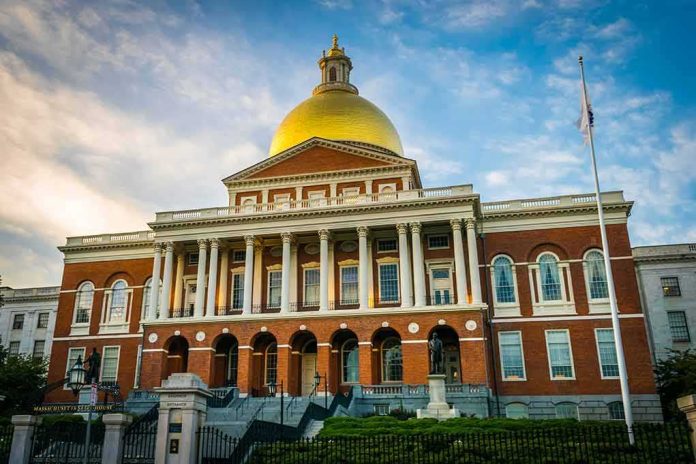
Boston’s City Council formally voted to recognize Thanksgiving 2026 as a National Day of Mourning, placing symbolism and history side by side on America’s table.
At a Glance
- The Boston City Council adopted a resolution marking November 26, 2026, as a National Day of Mourning.
- The action is ceremonial and does not change federal or state holiday status.
- The observance traces to a 1970 Indigenous protest in Plymouth led by Wamsutta Frank James.
- The move follows a broader trend of local symbolic designations, like Indigenous Peoples’ Day.
Boston’s Resolution And What It Does
The Boston City Council placed the item on its November 18 agenda and adopted it by voice vote. Councilors Benjamin Weber and Ruthzee Louijeune introduced it, and colleagues moved to add support before passage. The resolution recognizes Thanksgiving Day as a National Day of Mourning in the city. It is a symbolic statement. It does not alter work schedules or the legal status of the holiday in Massachusetts or nationwide. Public listings confirm the item and its final adoption.
The text backs an Indigenous-led remembrance that runs each Thanksgiving. It cites the history of colonization and loss that many Native families recount. Local coverage notes this is not the first time Boston has taken this step. The council supported similar language in recent years as part of a growing pattern. That pattern uses city proclamations to shape civic memory while leaving laws and pay calendars intact.
Where The “National Day Of Mourning” Comes From
The National Day of Mourning began in Plymouth, Massachusetts, in 1970. Wamsutta Frank James, an Aquinnah Wampanoag leader, planned to speak at a state event on the Pilgrims. Organizers pulled his speech after reading its blunt account of Native history. Supporters then gathered on Thanksgiving to protest and to mourn. That gathering endured. It now draws people who want the holiday to include loss as well as thanks.
Museums and educators in Massachusetts have documented the arc from that first protest to its modern form. They point to a simple idea. A nation can hold two truths at once. Families can give thanks for life and liberty. Communities can also grieve the broken treaties, stolen land, and violence that cut deep into Native life. Boston’s step joins that lineage rather than inventing a new brand.
Why Cities Use Symbolic Calendar Acts
City councils cannot change federal holidays. They can set the tone for local events and classrooms. They do this with ceremonial resolutions and proclamations. The spread of Indigenous Peoples’ Day offers a clear example. Dozens of cities chose it to stand beside or replace Columbus Day on their civic calendars. Those votes did not rewrite federal law, but they did reframe how many neighbors spend the day and what stories schools tell.
Boston City Council's Thanksgiving message: mourn.
The council adopted a resolution recognizing November 26, which is Thanksgiving Day, as the "National Day of Mourning in the City of Boston." Not one councilor spoke against it.
Councilor Weber: "Passing this resolution each… pic.twitter.com/SdrO7JwwDP
— Townhall.com (@townhallcom) November 25, 2026
Supporters argue this is common-sense federalism. Local leaders speak to local values without ordering anyone to comply. Critics sometimes call such steps performative. They argue leaders should focus on core services. That view can land with taxpayers when budgets are tight. But a resolution costs little. It can still shape civic culture. Americans often sort out tough history through free speech, not force. That aligns with conservative ideas about local control and open debate.
How This Affects Thanksgiving In Practice
City workers still observe the holiday schedule. Families still cook the same recipes. Churches still hold services. The difference is the story a city tells alongside the turkey. Boston’s message says gratitude is not blind. It can face the past and still give thanks for the good. That approach mirrors George Washington’s first presidential Thanksgiving call, which praised blessings while asking the nation to admit faults and seek a better course. The form changes; the core idea survives.
Boston’s move also matches the region’s role in the holiday’s origins. Plymouth remains the center of both the classic Thanksgiving tale and the National Day of Mourning. Each year, both events unfold within an hour’s drive. Families can attend a parade and also hear a Native elder speak. That mix is not confusion. It is pluralism in action. A strong country should handle more than one narrative at a time without losing its balance.
What To Watch Next
Other cities may pass similar resolutions next year. Schools may expand lesson plans to include primary sources from Wampanoag and other tribes. Tourism boards may adjust messaging to show both celebration and reflection. If Boston’s leaders keep this annual note, it could shape how new residents and visitors think about the holiday. The legal status of Thanksgiving will not change at the city level. The meaning of the day, inside homes and public squares, might.
Sources:
boston.gov, newenglandsignal.com, bostonpolitics.org, jonathanturley.org, scholarworks.umb.edu, facinghistory.org