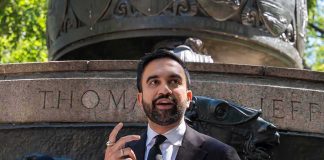

A socialist mayor-elect is already choosing cops and congressional leaders over his own radicals and he has decided that delivering cheaper rent and child care is worth making his base furious.
Story Snapshot
- Mamdani’s radical supporters expected war with police and party bosses, but are watching him cut deals instead.
- He is reappointing NYPD leadership and protecting Hakeem Jeffries from a left-wing primary to keep his agenda alive.
- His entire affordability program depends on cooperation from the very establishment he campaigned against.
- The clash between socialist promises and governing limits will shape New York — and the American left for years.
Why a Socialist Mayor Is Hugging the Establishment
Zohran Mamdani did not win New York on vague vibes about “change.” He won by promising concrete relief: cheaper housing, universal child care, free buses, and even municipal grocery stores, all wrapped in the language of democratic socialism and affordability. That message turned a little-known Queens assemblyman into the city’s mayor-elect and a national symbol of revolt against Democratic centrism. Now the bill for those promises is due, and the currency is compromised.
New York’s budget reality gives Albany and Washington the upper hand. The city cannot simply print money or jack up taxes on “Gotham’s gazillionaires” without state approval, a legacy of the 1970s fiscal crisis that still shackles City Hall. To fund child care and housing at the scale he advertised, Mamdani needs Gov. Kathy Hochul in Albany and House Democratic leader Hakeem Jeffries in Washington more than they need him. That structural imbalance explains nearly every “sellout” his angriest supporters now denounce.
The Police Question That Won’t Go Away
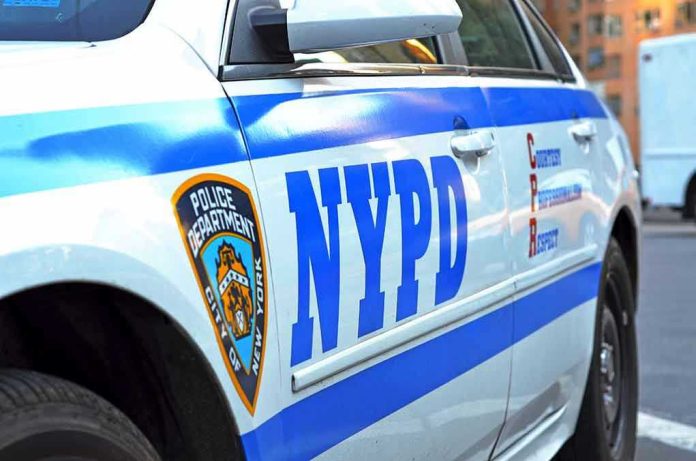
Mamdani built his political identity in a city where the left talks about defunding or even abolishing the police. Yet one of his first major transition moves is to reappoint NYPD Commissioner Jessica Tisch, a figure hardly beloved on the abolitionist left. For hardcore radicals, this feels like betrayal on day one. For anyone who remembers how the police unions staged slowdowns and open rebellion against Bill de Blasio, it looks more like self-preservation than surrender.
New York’s patrol officers have already shown they can make a mayor’s life miserable when they decide he is the enemy. Conservative common sense says: if a single agency can quietly sabotage public safety and your reelection, you manage that risk up front. Mamdani appears to agree. He still talks about accountability, but he is signaling that he will not begin his term by declaring war on the cops. That offends his most radical base, yet it protects millions of ordinary New Yorkers from becoming guinea pigs in a political purity test.
The Jeffries Test and the Limits of Purity Politics
On the other front, Mamdani is telling the left that toppling the House Democratic leader from his Brooklyn seat is a luxury project he cannot afford. Progressive Council Member Chi Ossé wants to primary Hakeem Jeffries, but Mamdani has refused to back him and even lobbied New York City DSA not to endorse the challenge. For an organization that built its brand on insurgent primaries, stepping back from that fight is a major act of discipline.
Some of Mamdani’s radical base is ‘already seething’ at his decisions https://t.co/UCKA728XuI
— Lois Levine Fishman (@FishmanLevine) December 11, 2025
This is where values and arithmetic collide. Mamdani needs Jeffries’ tolerance and Hochul’s cooperation to unlock the tax and spending deals that make universal child care and housing possible. Defending Jeffries is not about admiration; it is about leverage. From a conservative perspective that prizes order and incrementalism, this is the first sign that at least some socialists grasp the difference between performative revolt and governing a megacity. His angriest online boosters call it capitulation. Voters juggling rent, daycare, and groceries may simply call it growing up.
A Movement Built on Volunteers, Not Just Ideologues
The fury from Mamdani’s “already seething” base can mislead casual observers about where his real constituency sits. His campaign drew around 100,000 volunteers, while NYC DSA counts about 15,000 members. Most of the people who knocked doors for him are not Twitter revolutionaries; they are overworked New Yorkers desperate for lower costs and better services. That larger base wants visible wins more than symbolic showdowns with the police union or the House leadership.
The deeper story is that organized socialists now face the same brutal math establishment Democrats learned long ago: governing means tradeoffs. Mamdani is trying to prove that you can keep the egalitarian goals of the Bernie-AOC era while adopting the coalition logic older machines understood instinctively. He is aligning, for now, with the people who control the purse strings and the guns. His radicals will rage about it. His opponents will warn that his economic agenda still goes too far. But the test is simple: can he make life more affordable without blowing up the fragile civic order that makes any reform possible?
Sources:
Politico – Mamdani debate coverage
The American Prospect – Radical success and Mamdani’s compromises
Le Monde – Mamdani as socialist symbol of Democratic revolt