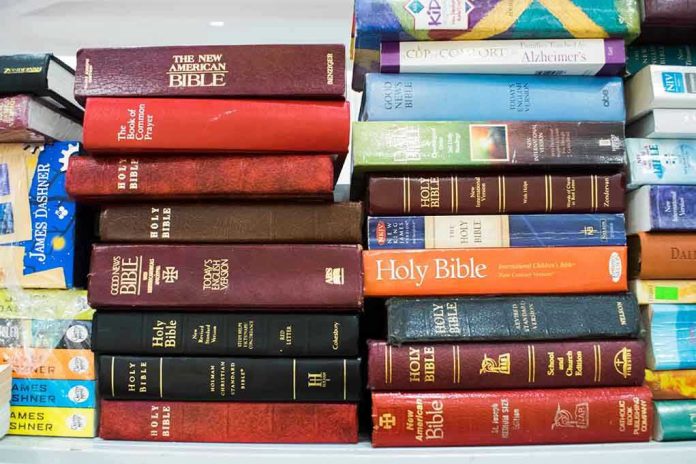
Canada isn’t banning the Bible, but what lawmakers just did could make quoting certain scriptures a criminal offense without traditional religious protections.
Story Snapshot
- Canadian committee removed religious defense from hate speech law, not a direct Bible ban
- Churches and pastors could face criminal charges for quoting scripture on controversial topics
- Amendment passed through minority government deal between Liberals and Bloc Québécois
- Christian organizations warn this creates a dangerous precedent for government control over religious expression
The Real Story Behind the Headlines
Sensational claims about Canada “banning the Bible” miss the actual threat embedded in Bill C-9’s recent amendment. The House of Commons Standing Committee on Justice and Human Rights quietly removed a crucial defense that protected religious expression from hate speech charges. This “good faith religious belief defense” had long shielded pastors and believers who quoted scripture, even on sensitive topics.
The Evangelical Fellowship of Canada immediately sounded alarms, warning that committee debates had questioned whether biblical texts themselves constitute hate speech. While no one is confiscating Bibles from homes or churches, the practical effect could silence religious voices who dare quote scripture that modern sensibilities find offensive.
How a Minority Government Changed Religious Freedom
This amendment didn’t emerge from democratic consensus but from political horse-trading. The Bloc Québécois announced their deal with the Liberals on December 1st, notably without approval from the Prime Minister’s Office. In Canada’s minority Parliament, the governing Liberals needed Bloc support to advance their agenda, making religious freedom a bargaining chip.
The original Bill C-9 was designed to combat rising antisemitism and hate crimes against religious communities. Ironically, the same bill intended to protect religious groups now threatens to criminalize their most fundamental practice: teaching from their sacred texts. The Canadian Conference of Catholic Bishops and Canadian Council of Christian Charities joined the opposition, recognizing the dangerous precedent.
What Pastors and Churches Now Face
Before this change, pastors could quote biblical passages on marriage, sexuality, or other contentious topics knowing they had legal protection if their intent was genuinely religious instruction. Courts had already limited this defense to honest belief, rejecting attempts to shield willful promotion of hatred. The existing system worked, balancing free speech with hate prevention.
Now, religious leaders must gamble that prosecutors and judges will interpret their motives favorably. A Sunday sermon quoting Romans or Leviticus could trigger criminal investigations. The chilling effect is already measurable, as churches and religious organizations prepare to self-censor rather than risk prosecution.
The Government as Theology Referee
Perhaps most troubling is who now decides what constitutes “good faith” religious expression. Government officials and secular judges will determine whether a pastor’s sermon reflects genuine belief or crosses into hate speech territory. This represents a fundamental shift in church-state relations, with the state claiming authority over religious interpretation.
The Bloc Québécois, representing Quebec’s increasingly secular political culture, views this as closing a loophole. But religious minorities understand it differently. When government can criminalize religious teaching based on content rather than intent, it possesses the tools to effectively silence any doctrine that conflicts with prevailing political orthodoxy.
Sources:
Religious Expression Defense Removed from Canadian Hate Crime Bill
Hate speech is a problem, but threatening religious freedom is the wrong solution
Proposed Restrictions on Religious Freedom Bill C-9
Bill C-9: What’s at Stake for Religious Expression