
The Trump administration’s stance on the War Powers Resolution and its non-applicability to boat strikes raises profound questions about executive military authority and congressional oversight.
Story Overview
- Trump administration claims War Powers Resolution doesn’t apply to boat strikes.
- This challenges the legal framework requiring presidential consultation with Congress.
- This position reflects historical presidential resistance to congressional oversight.
- The debate highlights tensions between executive power and legislative authority.
Legal Interpretations and Executive Authority
The Trump administration’s claim that the War Powers Resolution (WPR) does not apply to its boat strikes stems from its interpretation that these actions do not constitute “hostilities” as defined by the WPR. This interpretation challenges the established framework set by the WPR, which mandates presidential consultation and reporting to Congress for military hostilities abroad. By not classifying the boat strikes as “hostilities,” the administration seeks to operate without the constraints typically imposed by the WPR.
NYT: War powers law does not apply to Trump’s boat strikes, administration says (no paywall) https://t.co/9gvvFZ8cuz pic.twitter.com/xVAGRXGTT9
— Cate Long (@cate_long) November 3, 2025
This stance continues a historical pattern of the executive branch seeking to maintain flexibility in military operations. Presidents have often resisted the WPR, arguing that it infringes on executive authority. This resistance highlights the ongoing tension between the executive and legislative branches over the control and oversight of U.S. military actions.
The War Powers Resolution: Historical Context
The War Powers Resolution was enacted in 1973 in response to presidential overreach during the Vietnam War, particularly the secret bombings in Cambodia. Its purpose was to reassert congressional authority over decisions to commit U.S. forces to hostilities. Since its passage, however, presidents have frequently circumvented or resisted the WPR, citing concerns over its impact on executive authority and national security.
The Trump administration’s position is not unique. Past administrations, including those of Reagan, Bush, and Obama, have similarly argued that certain military operations, such as anti-terrorism efforts or limited strikes, do not trigger WPR requirements. This pattern reflects a broader executive branch skepticism about the constitutionality and applicability of the WPR, especially in cases involving limited or covert military actions.
Key Stakeholders and Power Dynamics
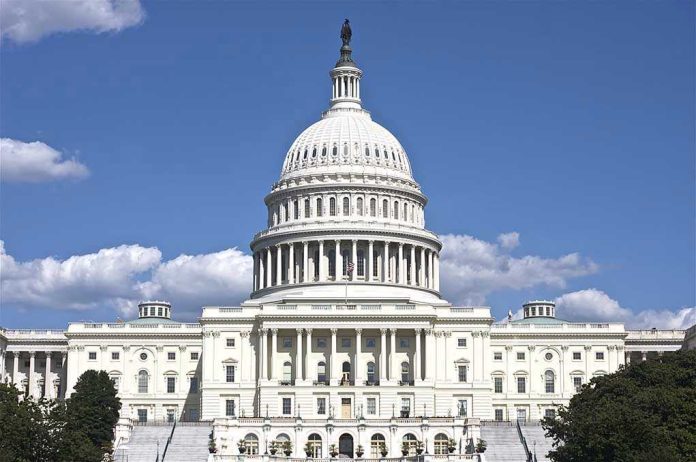
The primary stakeholders in this issue include President Donald Trump, who authorized the boat strikes, the executive branch legal advisors who justified the WPR’s non-applicability, and the U.S. Congress, which holds constitutional authority to declare war and oversee military actions. The Department of Defense, as the operational executor of military strikes, also plays a crucial role.
The power dynamics between these stakeholders are marked by persistent tension. While Congress has procedural tools to challenge presidential actions, it often faces practical and political obstacles in enforcing WPR provisions. This dynamic underscores the ongoing struggle between the executive’s desire for operational flexibility and Congress’s motivation to maintain oversight and prevent unauthorized military engagements.
Implications and Expert Perspectives
The implications of the Trump administration’s stance on the WPR are significant. In the short term, it allows for increased executive latitude in military operations, potentially reducing congressional oversight. In the long term, this could lead to an erosion of legislative war powers, setting precedents for future administrations.
Legal scholars and industry experts widely acknowledge the WPR’s intent to provide congressional oversight but note its limited practical enforcement. Executive branch lawyers often argue that the president’s constitutional authority supersedes statutory constraints, particularly for limited or covert actions. This debate raises important questions about the balance of powers, transparency, and accountability in U.S. military policy.
Sources:
Wikipedia: War Powers Resolution
FCNL: War Powers Resolution Activist Guide
War Powers Resolution Reporting Project