Trump closed the first-ever Republican midterm convention with a made-for-TV pledge that turned a policy rally into a movement moment.
Story Snapshot
- Trump headlined both nights in Dallas and closed the convention with a lengthy keynote.
- Organizers built the event to center Trump and drive midterm turnout across the map.
- The closing scene featured a crowd-wide pledge to vote, sealing the convention’s theme.
- Evidence shows events like this can boost support locally, though effects vary by place.
Trump’s Closing Act Put Him, And The Midterms, On The Same Ticket
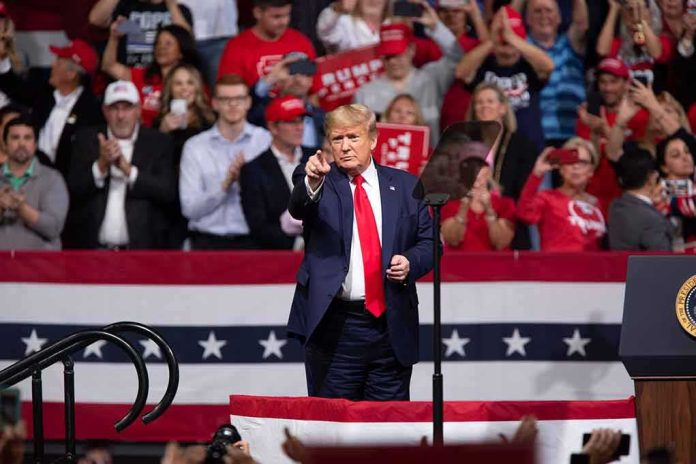
President Trump ended the two-day Republican midterm convention in Dallas as its final speaker and unquestioned star. He used the closing keynote to fuse party fortunes to his own brand and energy, telling Republicans to act as if he is on the ballot this fall. He had already shared the bill with Vice President JD Vance, who headlined the other night. News outlets described the schedule as built around Trump across both evenings.
The finale was classic Trump stagecraft. He stretched well beyond a typical keynote and worked the crowd like a rally emcee, then shifted into a call-and-response pledge to vote. The room rose, hands went up, and the cameras captured a unified moment in prime time. That sequence gave organizers what they wanted: a closing image that looked less like a committee meeting and more like a movement seal. That is how you end a show when the ratings matter.
Why The Party Built A Midterm Convention Around One Man
The Republican National Committee cleared new ground to hold a midterm convention at all, breaking with modern tradition to “defy history,” as party leaders framed it. Midterms usually punish the party in the White House. Republicans chose to meet that headwind by leaning harder on the one figure who can fill an arena on a weeknight. Reporters previewing the event said the plan was to put Trump at the center of the fall campaign and to speak to voters in a format he owns.
That strategy aligns with how modern media works. People follow personalities more than platforms. Trump does not blur that line; he erases it. The schedule confirmed that choice, with Trump closing the final night and Vance taking the earlier headline slot. The resulting media cut was simple and sharp: two nights, one lead story, and a final frame of Trump binding the crowd to a single task. Simplicity is not a weakness in politics. It is often the point.
What Political Science Says About Spectacle And Lift
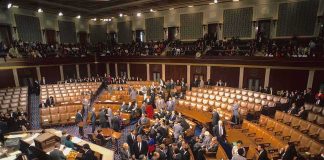
Research on conventions shows that big political events can move the needle, but not the same way everywhere. A study of convention exposure found effects that depend on local politics and media markets. Gains often register near the event and in friendly territory, while lasting national bumps are hard to prove. The findings also suggest Republicans tend to gain less in host communities than Democrats, though context matters in every cycle.
That evidence does not knock the Dallas strategy. It refines how to score it. If the goal is a clean national surge, history says keep expectations in check. If the goal is to light up Texas media markets, harden base turnout, and create viral clips that travel for free, the plan tracks. Campaigns win by stacking small edges. A high-energy closing moment, replayed across local news and social video, is the kind of edge that compounds where voters already lean right.
The Messages That Will Stick Through November
Trump’s appeal to “pretend I’m on the ballot” made the midterms personal and urgent. That line pushes straight to action. It asks supporters to vote like a presidential year without needing a dissertation on policy. The pledge scene turned that message into muscle memory. People remember what they do with their hands more than what they hear in a paragraph. That is common sense, and it matches how successful campaigns turn speeches into habits.
The wager is clear. Make the fall a referendum on a record Republicans like, not a referendum on congressional process that bores people. Keep the focus on security, cost of living, energy, and border policy in plain language. Use Trump’s reach to give down-ballot names a spotlight they could not buy on their own. Critics will call it personality-driven. Voters will call it easy to understand. The only test that counts arrives when early voting opens—and the hands go up again in private.
Sources:
townhall.com, aljazeera.com, nytimes.com