

A nation teeters on the edge as Cameroon’s streets explode in protest after the world’s oldest president claims yet another electoral victory—but at what cost?
Story Snapshot
- At least four protesters killed in clashes with security forces after Cameroon’s presidential election
- Opposition supporters demand credible results, alleging electoral fraud and lack of transparency
- Paul Biya, 92, extends his four-decade rule—the longest in the world—amid widespread unrest
- International observers and Western governments express concern over democratic backsliding
- Cameroon’s political stability and economic future hang in the balance as dissent grows
The Election That Sparked the Fire
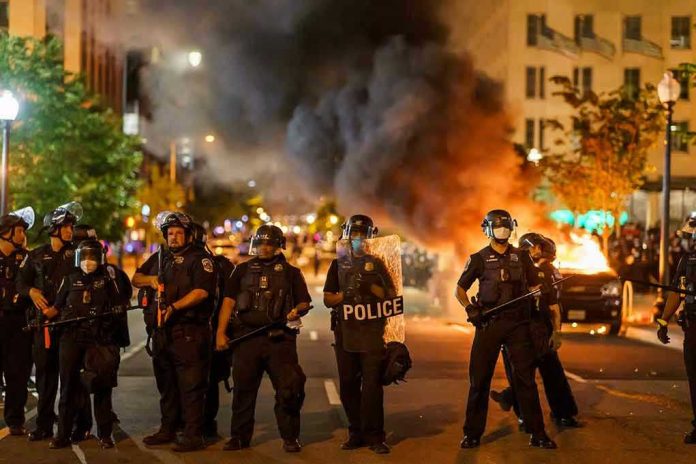
Cameroon’s October 2025 presidential election was supposed to be a routine exercise in democracy. Instead, it became a flashpoint for national outrage. President Paul Biya, already the world’s oldest sitting leader, secured another term, extending his 42-year grip on power. Opposition parties immediately cried foul, pointing to irregularities, voter intimidation, and a lack of independent oversight. Within hours, protests erupted in major cities, with demonstrators demanding a recount and transparent results. Security forces responded with force, leaving at least four dead and dozens injured according to a local governor. The scenes—tear gas, burning barricades, and chants for change—echoed across social media, drawing global attention to a nation many had written off as politically stagnant.
Why Cameroon’s Crisis Matters
Cameroon’s turmoil is more than a local dispute; it reflects a broader crisis of governance in Africa. Paul Biya, first elected in 1982, has presided over a system critics describe as authoritarian, with elections routinely marred by allegations of fraud. His latest victory, at age 92, raises urgent questions about succession, stability, and the future of democracy in a country divided by language, ethnicity, and economic inequality. The protests signal a growing impatience among Cameroon’s youth, who see little hope for change under the current regime. International partners, including the United States and European Union, face pressure to respond, but their options are limited by strategic interests and regional geopolitics. For ordinary Cameroonians, the stakes are even higher—jobs, security, and basic freedoms hang in the balance as the government and opposition dig in.
The Human Cost of Political Stalemate
The death toll from Sunday’s clashes is a grim reminder of the risks faced by those who challenge the status quo. Eyewitness accounts describe security forces firing live ammunition into crowds, while state media downplays the violence, framing protesters as “troublemakers.” Human rights organizations warn of a potential crackdown, with reports of arbitrary arrests and internet shutdowns in protest hotspots. Families mourn loved ones, and activists vow to keep fighting, despite the dangers. The government, meanwhile, insists it is maintaining order and protecting national unity. But for many, the heavy-handed response only deepens distrust in institutions already seen as corrupt and unaccountable. The cycle of protest and repression risks pushing Cameroon toward greater instability, with no clear path to resolution.
What Comes Next for Cameroon
The immediate future for Cameroon looks volatile. Opposition leaders have called for sustained demonstrations and international mediation, but the government shows no sign of backing down. Economic pressures—including high unemployment and a struggling oil sector—add fuel to the fire, with protesters linking their demands for political reform to broader calls for economic justice. Regional powers, wary of unrest spreading across Central Africa, are watching closely. For now, the world’s oldest president remains in charge, but the legitimacy of his rule is under unprecedented challenge. Whether Cameroon can navigate this crisis without further bloodshed—or whether it will descend into deeper conflict—depends on the choices made by leaders on all sides in the coming days and weeks.
Sources:
The 92-year-old president who never loses