

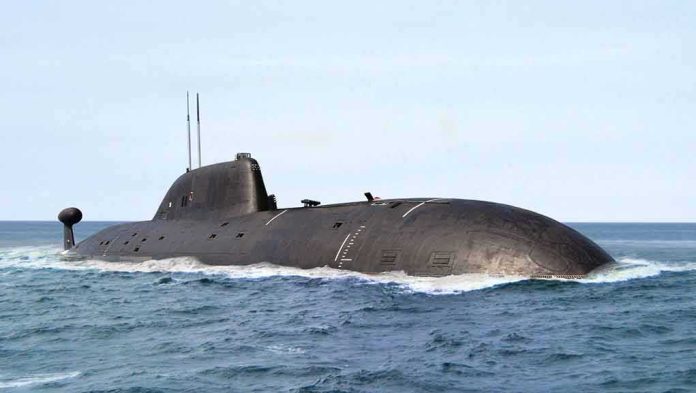
Eighty years after Britain sank Nazi submarine U-864, Norwegian scientists say mercury from the wreck is still polluting the seafloor near Fedje, and officials now favor sealing it in place rather than lifting it.
Story Snapshot
- Norway confirms heavy mercury pollution in sediments around U-864’s wreck.
- Officials recommend capping the wreck and contaminated seabed to limit spread.
- Researchers have monitored seafood near the site for years to track risk.
- Uncertainty remains about exact cargo condition and how much mercury has leaked.
What Authorities Confirm About The Wreck’s Toxic Cargo
Norway’s Institute of Marine Research states the German submarine U-864 carried a large amount of mercury when it sank west of Fedje in 1945, and the surrounding seabed is heavily polluted with metallic mercury. Government-backed monitoring has run for years to check mercury in seafood near the site and at reference locations away from the wreck. These facts establish a clear local pollution hotspot on the seafloor near the broken hull, even as the wider food web impacts remain under study.
The Norwegian Coastal Administration has weighed options and now recommends covering the wreck and the contaminated seabed as a permanent measure. Officials argue physical recovery is technically possible but risks spreading mercury during the work, given fragile containers and disturbed sediments. This “cap in place” approach aims to trap mercury where it sits and reduce the chance that storms, currents, or salvage activity will push toxins farther into fishing grounds or toward salmon farms, which local media and trade outlets have flagged as concerns.
How Big Is The Risk And Who Faces It
Researchers have documented very high mercury levels in sediments close to the wreck, with contamination dropping off with distance. That pattern matches what many coastal communities see after fuel or heavy metal spills: tight hotspots near the source, lower levels beyond. To protect people, Norway has kept a watch on seafood species around Fedje and at control sites, checking whether mercury in fish and crabs exceeds legal limits. Officials say the cap would further cut spread risk by locking in the known hotspot and limiting contact between mercury and moving water.
Scientists and agencies also point to gaps they are still working to close. Reports note ongoing uncertainty about the exact quantity, condition, and location of the mercury containers inside and near the wreck. Some sources cite totals above 60 tons, but the confirmed constant is this: sediment right by the hull shows heavy mercury contamination, and some leaking has occurred over time. That mix of clear local harm and unknowns about the cargo’s state is why the debate has lasted for years and why the chosen fix tries to reduce new disturbance.
Why “Cap In Place” Beat Salvage In This Case
Engineers studied lifting the cargo and wreck sections, but they warned that cutting, grabbing, or removing parts could release more mercury during the job than a secure cap would allow over the long term. A cap builds a barrier over the wreck and tainted seabed, aiming to keep mercury from moving into the water column or food chain. The plan reflects a common playbook in environmental cleanups: when a toxin is stable in place but risky to handle, isolate it and monitor it rather than stir it up and spread it farther.
For readers in the United States, this story hits a nerve that crosses party lines. People on the right and left see the same pattern: a dangerous mess created long ago, slow action, long studies, rising costs, and communities left to worry. Here, Norwegian authorities have at least set a clear path: contain the harm and keep measuring the results. The lesson for any government is simple but hard to live by: be honest about risk, move faster on proven hazards, and report progress in plain language.
Sources:
old.nmf.no, en.wikipedia.org, hi.no, niva.brage.unit.no, usni.org, bairdmaritime.com, salmonbusiness.com, kystverket.no