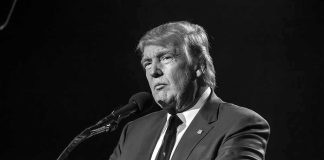
President Trump just declared he doesn’t care whether Iran shows up to play soccer on American soil this summer, even as bombs fall and the World Cup hangs in the balance.
Story Snapshot
- Trump dismissed Iran’s potential World Cup withdrawal with “I really don’t care,” calling the nation defeated and running “on fumes”
- Iran’s soccer federation president expressed grave doubts about participation following U.S.-Israel airstrikes on Iranian targets
- All of Iran’s Group G matches are scheduled for U.S. venues, with their opener in Los Angeles on June 15
- FIFA faces an unprecedented challenge balancing its apolitical stance against hosting a tournament amid active military conflict
- The 2026 World Cup represents the first 48-team edition, co-hosted by the U.S., Canada, and Mexico from June 11 to July 19
When Sports Collide With Warfare
The 2026 FIFA World Cup was supposed to showcase American hospitality on the world’s biggest sporting stage. Instead, it’s become a diplomatic minefield. Iran qualified early as the first team confirmed for the expanded 48-nation tournament, earning a spot in Group G alongside Belgium, Egypt, and New Zealand. Every single one of their matches is slated for American soil. The timing couldn’t be worse. Fresh off U.S.-Israel airstrikes on Iranian targets, the Islamic Republic finds itself weighing whether to send its national team into what many Iranians view as enemy territory.
Trump’s Blunt Assessment of a Defeated Enemy
The president’s comments to POLITICO revealed zero concern about the geopolitical optics. Trump characterized Iran as “a very badly defeated country” operating “on fumes,” suggesting their participation matters little to him either way. This indifference stands in stark contrast to FIFA’s historical insistence on keeping politics separate from sport. White House FIFA Task Force Director Andrew Giuliani doubled down, framing recent U.S. military actions as protective measures for World Cup attendees. The administration’s message is clear: security decisions trump diplomatic niceties, and Iran will receive no special treatment.
Iran’s Soccer Chief Signals Retreat
Mehdi Taj, president of Iran’s football federation, painted a grim picture when speaking to Iranian sports outlet Varzesh3. His Sunday comments that officials “cannot look forward with hope” following the airstrikes sent shockwaves through World Cup planning circles. Iran’s national team has paused preparation activities as the conflict intensifies. The federation faces immense pressure from multiple directions: national pride demands they reject playing in a hostile nation, yet abandoning their hard-earned World Cup spot carries its own costs. FIFA officials are monitoring the situation but have offered no public guidance, leaving everyone in limbo.
Visa Wars and December’s Warning Shot
This isn’t the first time U.S.-Iran tensions have threatened World Cup participation. Last December, the State Department denied visa applications for some Iranian officials seeking to attend the tournament draw ceremony in Washington. Iran immediately threatened a boycott, forcing FIFA to intervene as mediator. The episode foreshadowed today’s crisis. Trump’s June 2025 travel ban targeting Iran included carve-outs for World Cup team members but maintained case-by-case reviews for other Iranian nationals. That bureaucratic gauntlet now looms over fans, federation officials, and media members who would need entry to support their team.
FIFA’s Impossible Balancing Act
Soccer’s governing body built its reputation on political neutrality, insisting the beautiful game transcends borders and conflicts. That philosophy faces its sternest test yet. FIFA mediated the December visa dispute successfully, but active warfare presents complications beyond diplomatic phone calls. Tournament organizers are proceeding with contingency plans: if Iran withdraws, Iraq could fill the vacancy should they lose their upcoming playoff match, or the United Arab Emirates might step in. Neither option is clean. Iraq faces its own airspace restrictions and visa complications related to regional unrest, while UAE’s selection would require complex reshuffling of tournament logistics.
Ripple Effects Across Middle Eastern Sports
The World Cup drama isn’t happening in isolation. Regional sporting events are collapsing like dominoes. ATP tennis tournaments in the UAE have been canceled outright. Saudi Arabia is exploring relocating its flag football championship away from the conflict zone. Iraq’s national team cannot access proper training facilities or secure travel clearances for their playoff preparations. The broader Middle East sports calendar is fragmenting as insurance companies balk at coverage and sponsors reconsider commitments. What started as a bilateral U.S.-Iran conflict now threatens the entire region’s sporting infrastructure for months to come.
The Precedent That Changes Everything
Hosting a World Cup during active military operations against a qualified participant nation breaks new ground in sports history. The decision tree here sets precedent for decades. If the U.S. proceeds with Iran excluded or self-withdrawn due to security concerns, future host nations gain implicit permission to leverage military conflicts as tournament gatekeeping tools. If Iran attends under duress or boycotts successfully, FIFA’s authority to mandate participation erodes. Either outcome damages the organization’s carefully cultivated image as above politics. The economic stakes compound the pressure: Iran’s matches represent significant ticket revenue, broadcast rights, and sponsor activations that vanish if they withdraw.
What Happens Next
The clock ticks toward June 11 with no resolution in sight. Iran hasn’t formally withdrawn, but Taj’s comments suggest internal discussions are leaning that direction. FIFA continues its official monitoring posture, likely hoping the conflict de-escalates before forced decisions arrive. The U.S. State Department processes visa applications on its published case-by-case standard, offering no expedited track for Iranian nationals beyond the team roster. Andrew Giuliani’s task force coordinates security planning for all scenarios, including protests and potential violence surrounding Iran matches. Los Angeles venue operators prepare for the June 15 opener against New Zealand, even as doubts grow whether Iran will actually appear.
Sources:
Pro Football Network: Donald Trump Does Not Care if Iran Plays in 2026 FIFA World Cup Amid Unrest
SportsPro: Iran World Cup Participation in Doubt as Regional Sports Events Cancel
Politico: Trump to POLITICO: ‘I Really Don’t Care’ if Iran Plays in World Cup
Fox News: Trump Dismisses Iran World Cup Concerns Amid Ongoing Military Strikes