
The real shock in Pawleys Island is not that a sex offender volunteered at a church school, but that leaders allegedly knew for years and kept parents and teachers in the dark.
Story Snapshot
- Convicted sex offender Warren Spence Perry volunteered for years on a church-run campus with children nearby.
- Prosecutors say church leaders knew his record, yet parents and many teachers were never told.
- Pastor Don Williams and other leaders now face charges including obstruction of justice and criminal conspiracy.
- The case fits a wider pattern where churches put reputation and “redemption” over basic child safety.
How a convicted sex offender ended up inside a church school
Georgetown County deputies arrested seventy-year-old Warren Spence Perry on July 14 after a parent complaint exposed that he was volunteering as a custodian and helper at Pawleys Island Community Church and its school campus. Perry had pleaded guilty in 2023 to sexual exploitation of a minor for a crime committed in 2020 and was on the South Carolina sex offender registry. His probation terms barred him from contact with children and from places mainly used by kids, like schools, nurseries, and daycares.
Despite those clear rules, Perry moved around the church’s preschool, nursery, daycare, and academy for years, often in daily contact with young children and staff. Media reports and a ChurchLeaders post say church leadership knew as early as 2020 that he was a convicted sex offender, yet many teachers were never told. Parents only learned his history after two staff members checked the registry and reported concerns, setting off a frantic week of calls to law enforcement and state officials.
What church leaders say they did, and where it fell apart
Former pastor Don Williams claims he allowed Perry to serve only under “strict supervision,” with rules that Perry would never be alone with children and would stay in sight of trusted adults. Williams says he contacted Perry’s probation officer, asked questions about conditions, and believed for months that Perry was in full compliance. At a tense congregation meeting, he told parents that probation staff had approved Perry working at the church, based in part on his own character references as pastor.
That story cracked when probation officials later told deputies that Perry had not followed his conditions and had already been warned about violations. Williams admitted that what the officer shared “was completely different” from what Perry had been telling church leadership for many months. Even if you grant that leaders were misled by Perry, the choice to rely on his word instead of clearly posted rules, public registry checks, and full parent disclosure looks less like careful oversight and more like wishful thinking dressed up as ministry.
Charges, lawsuits, and a church under intense scrutiny
The Georgetown County Sheriff’s Office arrested Williams, his wife Ginny, and academy director Niki Howard after executing search warrants at both the church and school. They now face accusations including obstruction of justice and criminal conspiracy, based on claims that they concealed Perry’s status and his access to children from parents, teachers, and some authorities. A class-action lawsuit filed against the church and Pawleys Island Christian Academy alleges negligent hiring and retention of a known sex offender and failure to warn families.
The lawsuit says Perry was allowed to “supervise or oversee activities involving children” while on the registry, that background checks were weak, and that leaders had a duty to notify parents once his record was known. Those are serious claims, but they have not yet been proven in court. Still, taken together with a past negligence case against the same church over a minor in 2005, they paint a pattern: adults in charge giving risky people access to children and trusting oversight systems that plainly did not work.
Redemption, reputation, and the hard edge of conservative common sense
Many conservative Christians believe in second chances and redemption. That is central to the faith. But common sense and basic child protection say redemption does not mean “unlock the nursery door.” Research on church abuse shows a familiar playbook: leaders handle problems quietly, use soft words instead of calling crimes what they are, and avoid full transparency to protect the ministry brand. The Catholic grand jury reports describe the same methods, just in a different denomination.
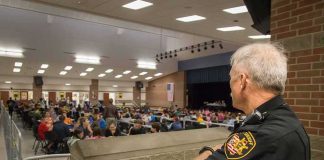
CHARGED | A South Carolina sheriff announced criminal charges against leaders of the Pawleys Island Community Church and its Christian Academy.
— Queen City News (@Queen_City_News) July 21, 2026
Most child molesters present as religious and often seek out churches because they offer trust, access, and sometimes weak guardrails. That does not mean every church is unsafe. It does mean conservative parents should demand clear rules: no offender near children, no secrets about known risks, and no more “we thought supervision was enough.” Here, leaders say they were trying to help a man rebuild his life. The facts suggest those good intentions collided head-on with simple, non-negotiable duties to protect kids first.
Sources:
nypost.com, wpde.com, wfxb.com, wbtw.com, youtube.com, facebook.com