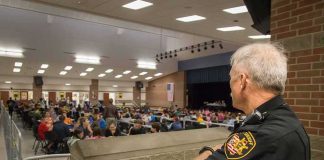

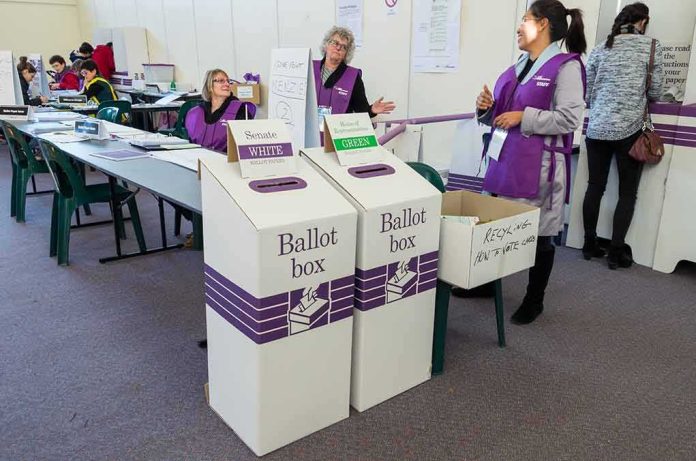
A polling place in Alexandria, Virginia shut its doors on primary election day, and voters showed up to find the location gone.
Story Snapshot
- A Northern Virginia polling site closed on primary election day, and local voters told The Gateway Pundit the location had been moved without them knowing.
- The new site was Lyles-Crouch Traditional Academy, an elementary school just a couple of blocks from the original location.
- A precinct captain reportedly blamed construction at the Voter Registration office for the sudden change.
- Virginia law requires polls to stay open from 6 a.m. to 7 p.m., and the state runs a formal complaint process for voters who believe their rights were violated.
What Voters Found When They Arrived to Cast Their Ballot
Voters in Alexandria expected to vote at their usual polling place on primary day. Instead, they found the site closed. Locals told The Gateway Pundit in an exclusive interview that the location had simply been moved a couple of blocks away, to Lyles-Crouch Traditional Academy, an elementary school in the city.
The move itself was not far. Two blocks is a short walk for most voters. But a change like this, sprung on election day without clear warning, still confuses people who show up expecting one address and get turned toward another.
A Precinct Captain Points to Construction as the Cause
A precinct captain told The Gateway Pundit that the closure traced back to construction work affecting the Voter Registration office. Building work forcing a last-minute relocation is not unheard of in Virginia. Franklin County moved two precincts after their usual elementary school buildings shut down, and local boards approved the change months ahead of time. What sets this Alexandria case apart is how little advance notice reached the voters themselves.
Virginia law sets a clear standard for polling operations. Polls must open at 6 a.m. and stay open until 7 p.m., and any voter already in line at closing time still gets to vote. The state’s Department of Elections keeps an online polling-place lookup tool so voters can check their assigned site before heading out. Whether that tool reflected the last-minute change in Alexandria is the real open question here.
Northern Virginia Has a History of Polling Mix-Ups
This is not the first time Northern Virginia voters have run into confusion about where to cast a ballot. Fairfax County leaders once demanded a full investigation after the state elections department mistakenly mailed more than 30,000 voters the wrong polling location. The state blamed a printing error, but the damage to voter confidence was already done by the time officials caught it.
Separately, the NAACP reported fraudulent phone calls telling Northern Virginia voters their polling place had changed when it had not. That case involved deliberate deception, not administrative error, but it shows how quickly “your polling place moved” can spark alarm in a region that has already been burned by bad information. A bomb threat once forced an Ashburn location to close outright, leaving one voter feeling flatly turned away.
The Complaint Process Voters Can Actually Use
Virginia gives voters a formal path when something feels wrong. Anyone who believes their voting rights were violated can call the Department of Elections directly or file a written complaint, and the state urges people to do it before polls close if possible. That process exists precisely for situations like Alexandria’s, where a last-minute move leaves voters standing at a locked door wondering what happened.
Common sense says a two-block relocation caused by construction is not, by itself, evidence of foul play. But it is also common sense that election officials owe voters clear, early notice when a polling site changes, especially on the day it matters most. Voters deserve to know exactly where to go before they leave the house, not after they arrive and find the building empty.
Alexandria’s precinct captain gave a plausible explanation, and the new site sat close enough that most voters likely found their way there without missing their chance to vote. Still, the episode is a reminder that even routine administrative moves can shake public trust when communication lags behind the calendar.
Sources:
thegatewaypundit.com, elections.virginia.gov, vpm.org, fxbgadvance.com, blackenterprise.com, wjla.com