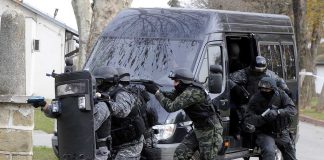
Six people were killed across three sites in rural northern Michigan before police said the suspected gunman, 39-year-old Chad Hickman, was found among the dead.
Story Snapshot
- State police reported six dead, including the suspect, and one person critically injured.
- First 911 calls came around 11:40 a.m. on Aug. 14, 2026.
- Troopers found victims at three separate locations in Missaukee County.
- Police said there was no ongoing threat after locating Hickman.
What Police Found And When
Michigan State Police said troopers rushed to the first scene near South LaChance Road at about 11:40 a.m. Friday, Aug. 14. They found three people dead and one person critically hurt. As investigators widened the search, they found more victims at a separate residence and in a wooded area near Whitlock Lake. By day’s end, the count reached six people dead, including the suspect, and one person in critical condition. The agency said the threat to the public was over.
Police identified the suspect as 39-year-old Chad Hickman. Early alerts called him armed and dangerous. Later updates said they had located him and that he was among the deceased. Agencies asked residents to avoid the scenes while detectives processed evidence and interviewed witnesses. The discovery of victims at three locations signaled a moving crime scene and a complex timeline. Detectives worked to connect the sites and map the path between them.
Three Scenes, One Case
Investigators described a multi-scene investigation across Missaukee County, a rural area north of Cadillac. Evidence collection unfolded at a home on South LaChance Road, a second residence, and a wooded area near Whitlock Lake. That spread explains why the casualty count rose as officers cleared locations. The pattern fits how rural mass shootings are often discovered in pieces, with deputies and troopers canvassing long drives and unpaved lanes before they can confirm totals. Authorities did not release a motive.
Police did not immediately name the victims or describe their relationships to the suspect. That restraint is normal while next of kin are notified and autopsies begin. Early reports noted that the surviving victim was taken for emergency care in critical condition. The agency did not share the hospital or condition updates. Reporters on the ground said investigators were still building the timeline and collecting ballistic evidence to join the scenes into one case file. One sentence of caution applies here: some early updates shifted as officers confirmed facts on-site.
What This Says About Rural Violence
This case breaks the common myth that shootings happen only in big cities. National reporting has shown that many shootings occur in small towns and rural counties. One analysis found that about half of all shootings over the last decade happened outside large cities. Health research has also found higher gun death rates per person in rural counties than in the most urban counties over many years. The Michigan case fits that pattern. Distance slows response, and scenes can span many miles.
Deadly mass shooting in northern Michigan. Police say five people were killed and another person critically injured in a series of shootings Friday in Missaukee County, about 170 miles northwest of Detroit.
Authorities identified the suspected gunman as 39-year-old Chad Hickman.… pic.twitter.com/bd7lUux5RP
— DiscoverX (@kr51877) August 15, 2026
Coverage habits also shape what people remember. News tends to focus on large, public attacks, while many tragedies unfold in homes and on side roads. A national database review found about two-thirds of mass killings occur in or near homes, not malls or stadiums. That matters for prevention. Neighbors, churches, local employers, and county courts see warning signs first. Common-sense steps like fast mental health referrals, firm enforcement of restraining orders, and quick welfare checks can save time when minutes matter.
How Police Contain A Moving Threat
Troopers and deputies handle a moving threat by locking down scenes, setting perimeters, and pushing timely alerts. The first priority is to stop the killing and treat the wounded. The second is to stop the dying by moving survivors to care. The third is to secure evidence across the route. In Michigan, officers asked the public to steer clear so they could work. When they announced the suspect was located and there was no ongoing threat, they signaled control and focused on methodical case work.
That sequence aligns with conservative common sense: protect life first, give officers room to work, and report verified facts. It also underscores the role of personal responsibility and community duty. Most rural safety nets are local. Families, pastors, and small-town leaders can speak up early when tempers boil or threats surface. That is not politics; it is practical. The Michigan community will grieve, but it will also look for simple, direct steps to keep neighbors safer tomorrow than they were yesterday.
Sources:
townhall.com, clickondetroit.com, facebook.com, thetrace.org, nbcnews.com, projects.apnews.com