Four short bodycam clips show Minneapolis officers pushing into a high-rise as shots still rang out.
Story Snapshot
- Police entered 15 East Grant Street minutes after the first 911 calls, while gunfire continued.
- Three people died, including the suspected shooter; multiple officers were wounded.
- City officials released select bodycam video to show the ninth-floor confrontation.
- The area was secured and the public was told there was no ongoing threat.
What the bodycam shows and why it matters
City leaders released four bodycam clips from the Loring Park shooting to show what officers faced inside a narrow hallway on an upper floor. The footage shows a fast push, shouted commands, and exchanges of fire near apartment doors. The release followed days of questions from the public about what happened inside the tower. City officials said the videos were a small part of a larger case file and were chosen to capture the key moments on the ninth floor.
Officers arrived around 4:39 p.m., entered the high-rise, and heard more shots. They moved toward the sound. Inside, they found victims, advanced to an upper floor, and engaged the suspect. The suspected shooter was found deceased. One other person also died at the scene, according to the city’s statement to residents in the ward. This sequence matches what reporters on scene heard from police radio traffic and city briefings that afternoon.
The known toll and the rapid police push
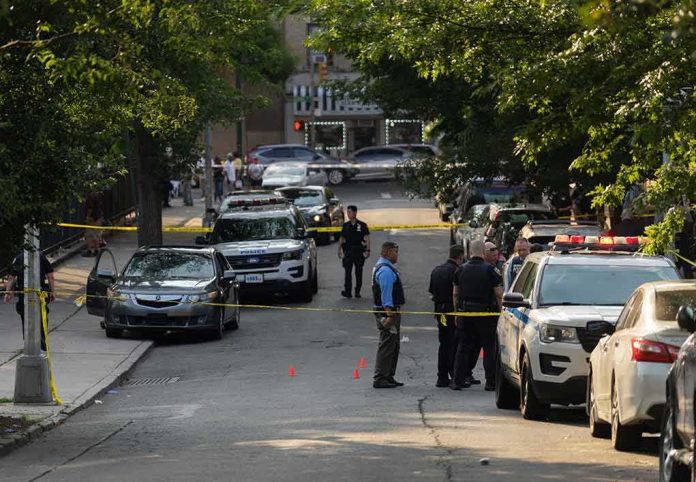
Officials said three people died, including the suspected shooter, and at least six others were injured, among them three police officers. Reporters at the scene saw a large perimeter and triage. Ambulances cycled through a tight corridor of downtown streets. The department told drivers and walkers to avoid the blocks near Loring Park. Later, the city announced the area was secure and there was no further threat to the public. That update allowed residents to return to nearby buildings and reclaim their cars.
Dispatchers routed dozens of calls as officers formed teams on the lower floors. Stairwells became choke points. The bodycam clips capture officers calling out apartment numbers and checking wounded bystanders while pushing forward. The narrow hall and close ranges raised the odds of injury for everyone in the line of fire. As the team closed on the suspect’s location, gunfire quickened. The final approach happened near the ninth-floor units, where the confrontation ended.
What video can answer and what it cannot
Body-worn cameras help show where officers were, what they saw in front of them, and how they moved. The releases here are clipped to moments the city says are central to the use of force on the upper floor. The public often wants the full picture in one sitting. That is not how these systems work. Across major cases, cities have shared select angles first, with longer releases and records arriving later through court orders or policy timelines.
Some commentators will try to turn short clips into sweeping claims. That is a mistake. The strongest takeaway from the released video and official timeline is simple: officers ran toward gunfire in tight quarters to stop an active killer, and they took wounds while doing it. That aligns with common sense values many Americans share. When evil targets neighbors in their homes, you want police who move with speed, courage, and discipline to end the threat.
Sources:
minneapolimedia.town.news, mprnews.org, fox9.com, content.govdelivery.com, kttc.com, georgialawreview.org