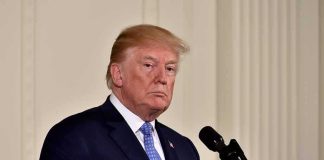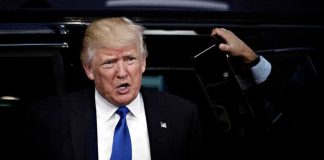

Trump told Americans to “pay a little bit more” for gas as the price of national security — and the blowback has become its own political fuel.
Story Snapshot
- Trump said higher gas prices are a temporary, acceptable trade for stopping a hostile regime.
- Pump prices hovered near $4-plus nationally as war risks squeezed supply and stoked fear.
- Major polls show most voters blame Trump for the surge and feel the budget pain.
- Energy agencies tie price spikes to Middle East conflict and supply uncertainty.
Trump’s Case: Short-Term Pain, Strategic Gain
President Trump argued that a small rise in gasoline prices is a fair price to block a hostile regime from getting a nuclear weapon. He linked pump pain to national security and said prices would come down. He told crowds he would not apologize for that trade. The remarks framed energy costs as part of a larger mission and urged patience for a payoff that he said would follow.
Trump’s stance fit his broader pitch: use pressure abroad and unleash U.S. energy at home to lower costs later. He has said cheap energy is key to lower prices across the economy. That logic matches conservative instincts: peace through strength, and growth through supply. The immediate hurdle is time. Families feel the cost now. The benefit he promises sits in the future. Voters rarely wait long when the meter spins.
The Price at the Pump: What the Numbers Show
Average gas prices sat above four dollars in early September, up notably from a year earlier, with some states much higher. Drivers in large coastal markets reported the sharpest sticker shock. The national number moves with crude oil, and crude moves with war risk and shipping routes. When markets price more danger, retail follows within weeks. That short fuse leaves presidents with few quick levers to pull.
Government and market watchers cited conflict in the Middle East and tight stockpiles as key drivers. The United States Energy Information Administration said shrinking stockpiles and risk to key waterways pushed oil forecasts higher. That lifted gasoline and diesel, with ripple effects on food and freight. Markets can ease if supply routes stabilize or demand cools, but few promise speed when tankers face risk.
Voter Backlash: Blame, Budgets, and Political Heat
Polling shows most voters point the finger at Trump for higher gas prices, even as many know global forces play a role. A Reuters and Ipsos survey found more than three-fourths of registered voters said Trump bears at least some responsibility for the recent rise. Budget stress compounds the anger. When fuel eats more pay, patience thins, and the White House takes the hit first.
House Republican Meeting Turns Into Shouting Match: ‘This Is Fucking War!’
Speaker Mike Johnson summoned top GOP members to discuss suspending the gas tax, but the session got ugly and personal.
https://t.co/yqQAO5qbvE— Steve Williams (@HISteveWilliams) September 16, 2026
Several outlets have profiled Trump voters who now weigh gas costs in their fall choices. Many accept security goals, yet balk at open-ended pain. The political risk is clear: people judge leaders by the bills they pay every week. The fairness test is not abstract. It is the number on the pump and the groceries on the counter. If prices fall soon, Trump’s trade looks prudent. If not, opponents will brand it a costly misread.
What Fits Conservative Common Sense — And What Does Not
Clear cause-and-effect speaks to conservative values. Wars and chokepoints raise oil prices. That is true in every administration. So does a policy mix that restrains supply. The right answer blends security, steady domestic output, and honest talk about costs. Saying “a little bit more” works only if the “little” stays little and the timeline is believable. Voters accept sacrifice for victory, not for drift or mixed signals.
Coherent energy policy also means fewer whiplash messages. Markets punish mixed cues. Strong production permits, faster pipelines, and predictable rules lower risk premiums on crude. Targeted aid for diesel and freight shields food shelves from spikes. Those steps match the small-government test: fix chokepoints, then get out of the way. If the White House couples hard power abroad with steady supply at home, prices can ease faster — and trust can, too.
The Next 60 Days: What Will Move Prices, And Votes
Two dials matter now. First, security in the Middle East, which shapes shipping and insurance costs. Second, signals on U.S. output and refining, which guide future barrels. If those dials turn the right way, pump prices can fall and validate Trump’s “temporary” claim. If not, the anger hardens. The electorate rewards results, not explanations. Close the gap between the promise and the pump, and the politics follow.
Sources:
mediaite.com, rev.com, usgasgauge.com, huffpost.com, theguardian.com, cnbc.com