

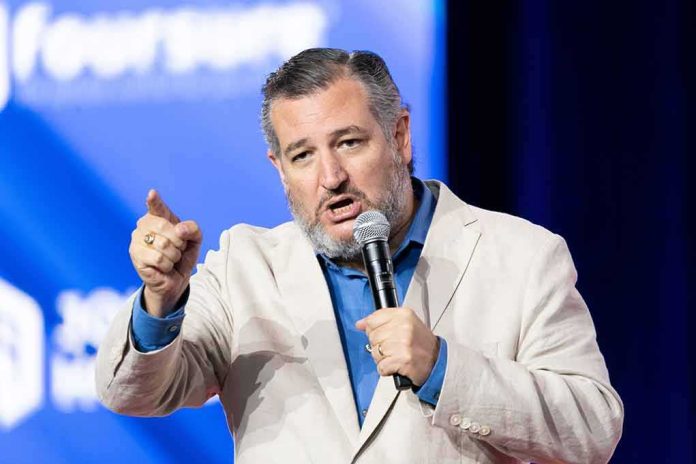
Texas Republicans turned on Senator Ted Cruz after he blamed the midterm wipeout on campaign failures and launched a new “Saving Texas” headquarters to rebuild the party.
Story Highlights
- Cruz said Republicans lost due to weak campaign infrastructure and vague messaging, not just ideology.
- Democrats scored historic wins, including James Talarico’s Senate victory over Ken Paxton by 12 points.
- Republican operatives blasted Cruz’s take and the consultants tied to his effort, telling them to “get lost”.
- Cruz’s group set up an Austin base to recruit candidates, raise money, and rebuild the grassroots.
What Cruz Says Went Wrong And Why It Matters
Senator Ted Cruz argued that many losing Republicans had never faced real competition and lacked polling, field data, and staff. He said the party leaned on “Democrats are too crazy” instead of clear plans voters could support. Cruz framed it as a nuts-and-bolts failure that better training and resources could fix. He also tied voter anger to the economy and national policy debates, suggesting pain at the gas pump and global conflicts fed the backlash.
Cruz’s view follows a staggering defeat. Democrat James Talarico won the United States Senate race with about 55 percent to Ken Paxton’s 43 percent, a double-digit gap in a state long seen as safe for Republicans. Other coverage showed Democrats sweeping top offices, turning a shock into a pattern. Those results raised alarms for both conservatives and liberals who worry the political class missed rising costs and daily stresses for families.
The Plan: “Saving Texas” And Its Goals
Cruz launched “Saving Texas,” a new hub in Austin meant to recruit candidates, train staff, rebuild local groups, and raise funds. He pitched it as a place to share polling, improve message testing, and support campaigns that have not built modern operations. Backers say this is not a slogan but a working base with a mission to get ready for the 2028 races and beyond. The effort aims to replace guesswork with data and steady field work.
The program focuses on blocking repeat mistakes. That includes early talent scouting, year-round field contact, and simple messages that say what Republicans would do, not only what they oppose. Cruz argues this approach addresses real gaps he saw in 2026. Still, there is no public record yet showing the plan’s results. No election cycle has tested it, and no public metrics have been released to prove impact so far.
Why Some Texas Republicans Are Pushing Back
Some Republicans say Cruz’s diagnosis misses the main cause. Strategist Matt Mackowiak pointed to Ken Paxton’s weaknesses and blasted consultants tied to Cruz’s circle. He said the firm behind Paxton’s run should not lead any recovery after a loss that large. He told them to “get lost” and said he hoped the firm would fail. That sharp pushback questions whether new infrastructure led by the same players can rebuild trust.
Other accounts also credit broader forces for the blue shift. Reporting cited a national backlash against President Trump, concern over prices, and Paxton’s past legal troubles, which hurt his character ratings with voters. If those factors drove most of the swing, better field work alone may not fix the map. That split—mechanics versus mood—now defines the Texas fight inside the party about what to fix first.
What To Watch To Judge If The Fix Is Real
Voters should watch for proof, not promises. Clear signs would include public metrics on candidate recruiting, small-dollar fundraising growth, field offices outside big cities, and early door-knock counts. Districts that lost by narrow margins should see targeted tests with simple messages on costs, energy, schools, and border security. Transparent records would help show whether “Saving Texas” is building capacity or just moving money through the same political consultants.
Why This Debate Hits A Nerve Across Parties
People on the right and left share a worry: leaders point fingers after failure but do not fix daily problems. Texans saw rising prices and shaky services while campaigns traded blame. If this becomes about titles and contracts, not results, many will view it as more of the same. If leaders publish data, own mistakes, and show steady gains, trust can grow. Without that, the fear that elites protect themselves will only deepen.
Sources:
mediaite.com, thehill.com, yahoo.com, theepochtimes.com, cbsnews.com, kut.org, fox26houston.com