
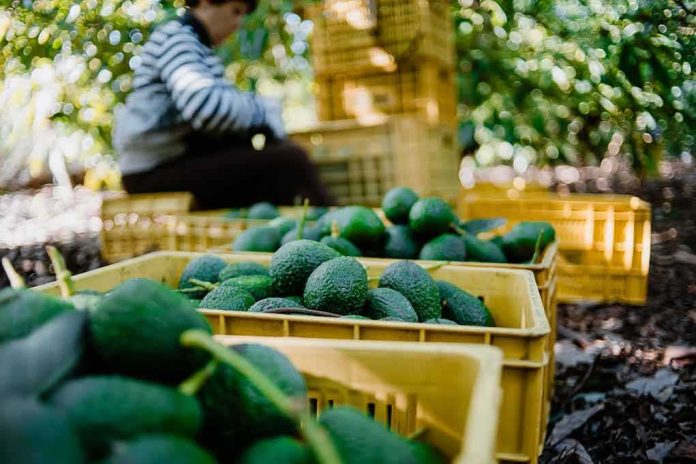
Mexico’s avocado pipeline to the United States has been stopped again, and this time the pause points straight at security, not supply.
Story Snapshot
- The United States halted avocado inspections in Michoacán after a threat to U.S. interests.
- The move cut off the normal clearance process that avocados need before export.
- Mexico answered with a troop deployment and new security talks.
- The shutdown lasted only days before the United States began lifting the restriction.
Why the Avocado Flow Stopped
The core problem was simple: no inspection, no export. The United States suspended government activity in Michoacán and paused the inspections that let avocados cross into the U.S. market. CNN said produce that still needed onsite approval could not be imported, which meant fruit already in motion faced delay or rejection. That is why this was not just a paperwork issue. It hit the supply chain at the one point where the process cannot bend.
Officials kept the public explanation narrow. The embassy did not spell out the exact threat, but Michoacán’s governor called the move preventive and tied it to recent arrests in extortion cases. Reuters reported that the USDA would keep the program on hold until security conditions were reviewed and safeguards were in place. That wording matters. It shows Washington framed the pause as a safety measure, not a punishment or trade dispute.
Why This Region Keeps Tripping the Same Wire
Michoacán is not just any growing region. It is Mexico’s top avocado state, and reporters described it as one where growers often face cartel pressure and extortion. Reuters said the region has seen repeated inspection pauses before, and ABC News noted earlier suspensions in 2022 and 2024 tied to violence against U.S. inspectors. That history gives the latest halt a bleak kind of logic. Once safety becomes the weak link, trade becomes fragile fast.
AP later reported that the inspectors were threatened directly, including a threat to one inspector and his family. NBC said Mexico’s Agriculture Department reported that an official in Uruapan received a threatening message on his work cellphone. Those details make the case more concrete than a vague security alert. Even so, the public record still leaves gaps about the exact actor, the exact wording, and the full chain of events that pushed the United States to shut things down.
Mexico’s Response Was Fast, but It Also Proved the Risk
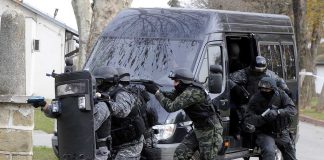
Mexico moved quickly to protect the industry it depends on. Reuters reported that around 1,500 soldiers and National Guard personnel were sent to protect packing sites, roads, and inspection points. CNN also reported that Michoacán security officials met with U.S. Department of Agriculture representatives to discuss more protection for U.S. personnel. Those steps show the government understood the problem was real. They also show why the issue could not be brushed off as routine noise.
The economic shock was immediate. AP reported that the suspension put Mexico’s avocado exports at risk, and Reuters said growers and packers halted harvesting and shipping. That is why the dispute quickly became more than a safety story. It became a story about who absorbs the cost when one side says “stop” and the other side says “we can protect the route.” For farmers, packers, and U.S. buyers, every day of delay matters.
Why the Story Turned Around So Quickly
The sharp twist came when the United States began moving toward resumption. AP reported that the U.S. Embassy lifted the prohibition after Mexico and the United States agreed on measures to protect agricultural inspectors. That is the key detail. The stoppage was not treated as permanent, and it was not presented as a new trade war. It was a temporary safety pause that ended once both sides found a way to reduce risk enough to reopen the lane.
This is why the latest avocado stoppage matters beyond one crop. It shows how fast security problems in cartel-pressured regions can spill into everyday commerce. The United States does not need to prove a full crisis to shut inspections. Mexico does not need to wait for a collapse before sending troops. And consumers do not need to care about the politics to feel the effect. They just notice the shelf, the price, and the missing fruit.
Sources:
youtube.com, cnn.com, reuters.com, apnews.com, kristv.com, 850koa.com