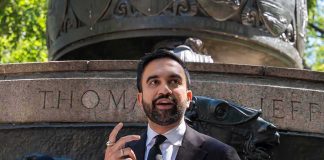


Tracy Rosenthal helped build a tenant movement that now puts her own rent strike at the center of the backlash.
Quick Take
- Rosenthal has said publicly that she has been on rent strike in New York City for more than two years.
- Her own account ties the strike to tenant organizing inside her building and to broader anti-landlord politics.
- Critics have framed that stance as hypocrisy because she also argues for aggressive rent resistance.
- The episode shows how tenant activism can become a personal test once the organizer’s own housing becomes public.
What Rosenthal Says Happened
Rosenthal has described her housing fight as a building-wide rent strike, not a private refusal to pay. In a recorded interview, she said she had been on rent strike for more than two years and linked that choice to collective action inside her building.
That account matches other public comments in which she said tenants organized after problems with the building and then withheld rent together. In a separate conversation, she said the group “has been on rent strike ever since” after the landlord was foreclosed on. Her book and public talks present rent strikes as one step in a wider campaign that begins with neighbor organizing and escalates when landlords do not respond.
Why The Story Hit A Nerve
The sharp reaction comes from the gap between Rosenthal’s politics and her personal finances. She has built her public profile around abolishing rent, landlord pressure, and tenant power. That makes her own strike easy for opponents to cast as proof that the message only works when she is the one breaking the rules.
Supporters see the same facts differently. In tenant politics, a rent strike is a collective tactic, not just a refusal to pay. Housing organizers have used it for decades when demands, meetings, and protests fail. Rosenthal has pointed to earlier strikes, including the 2017 Mariachi Plaza action in Los Angeles, as part of that tradition.
The Bigger Housing Fight
Rosenthal’s case sits inside a familiar American argument: when does protest become principle, and when does principle look like convenience? That question follows many public organizers, especially on housing, because the personal stakes are easy to see. A tenant leader can look like a fighter to one audience and a freeloader to another, often in the same week.
That tension is also why the story travels so fast online. Rosenthal is tied to a broader left housing network, and her work has made her a visible face of tenant activism. Her critics lean on that visibility to argue she should live by the rules she wants to change. Her defenders answer that rent strikes are meant to challenge those rules, not submit to them.
Tenant activist Tracy Rosenthal, a Mamdani ally, is facing scrutiny over her family background and Brooklyn rent strike. The New York Post reports her father is a Grammy-winning producer, while her landlord has sued her over unpaid rent.#NYC #Housing pic.twitter.com/40hBQPMMnp
— SHADOW WIRE NEWS (@shadowwirenews) August 10, 2026
What is not in doubt is simple. Rosenthal has openly said she has been on rent strike for years, and she has defended that choice as part of organized tenant action. The fight over her conduct is really a fight over what counts as legitimate pressure in a housing system many activists believe is already rigged.
Sources:
townhall.com, nypost.com, x.com, en.wikipedia.org, jacobin.com, thedigradio.com