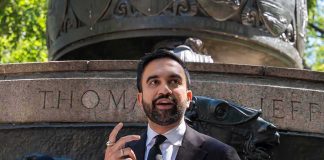
NBC News projected Aisha Wahab the winner of California’s 14th District special election to finish Eric Swalwell’s U.S. House term, closing a fast, two-stage contest with a clear result.
Story Snapshot
- Governor Gavin Newsom ordered the special election after Swalwell resigned in April 2026.
- A June special primary led to an August 18 runoff under California rules.
- NBC News and other outlets called the race for Wahab over Melissa Hernandez.
- State officials list results as unofficial until certification, which follows later by schedule.
How the Vacancy Turned Into a Two-Stage Race
Governor Gavin Newsom triggered the process on April 14, 2026. His proclamation set the special election in California’s 14th Congressional District to fill the vacancy after Eric Swalwell resigned. The order set the legal timeline and confirmed that voters in the Bay Area would choose a temporary representative for the rest of the term that ends in January 2027. California’s election calendar then slotted a June 16 special primary and, if needed, an August 18 runoff to finish the job.
California runs special elections on simple rules. If a candidate tops 50 percent in the special primary, the race ends. If no one does, the top two advance to a special general election runoff. The Secretary of State posted the race as part of the state’s upcoming elections and explained deadlines for vote-by-mail and registration. The process mirrors past California specials and aims for continuity, not drama. Voters get a clean, time-bound choice and a clear end point.
The Field, The Votes, and The Call
The Secretary of State certified the candidate list for the June 16 special primary, which featured multiple contenders seeking a short stint in Congress. The vote pushed Aisha Wahab and Melissa Hernandez into a head-to-head runoff after no one cleared a majority. National and local outlets tracked turnout and updated tallies through the summer window. On runoff night, major outlets projected Wahab the winner based on counted votes and trend lines across key precincts.
Projection calls often land before the final legal seal. California labels election-night numbers “Unofficial Election Night Results” and posts a target date for certification, which is normal. Counties keep counting valid vote-by-mail and provisional ballots until the deadline. The Secretary of State then certifies the totals on schedule. That gap does not change who voters chose; it marks administrative steps that protect accuracy and trust in the outcome.
What This Seat Means Right Now
Wahab will serve for the remainder of the current Congress, giving the district a vote on floor business, spending debates, and constituent services that cannot wait for the next full cycle. Special elections are snapshots of a district more than a grand national verdict. They still matter because each seat counts in a narrow House, and each new member arrives with leverage on close votes. This Bay Area district now has representation restored after a months-long vacancy.
🇺🇸 Aisha Wahab Makes History in California
California State Sen. Aisha Wahab has won the special election for the state’s 14th Congressional District, defeating fellow Democrat Melissa Hernandez by roughly 53% to 47%.
The victory makes Wahab the first Afghan American ever… pic.twitter.com/6j5OA3qPpv
— GLOBAL UPDATES (@GLOBALUPDAw6o3) August 21, 2026
Some observers will spin the race as a test of factions or outside money. The firmer takeaway is simpler and more useful. The law laid out a two-stage contest. Voters weighed two Democrats with different records. A winner emerged. Media projections aligned with the count, and certification will follow the posted calendar. That sequence fits California practice and supports a principle many conservatives back: process clarity, timely results, and accountability to local voters over national noise.
Sources:
thegatewaypundit.com, cnn.com, sos.ca.gov, nbcnews.com, apnews.com, washingtonpost.com, gov.ca.gov, ca14election.org, nytimes.com