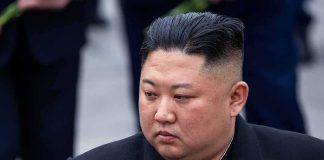
Trump’s 250th-anniversary concert fight turned into something bigger than a booking dispute: it exposed how quickly a patriotic celebration can look like a political rally once the president takes over the stage.
Story Snapshot
- Trump said he was thinking about replacing the Freedom 250 concert with his own rally after artists pulled out.[1]
- Reporting said several performers withdrew after objecting to the event’s political direction and saying they had been misled.[1][3]
- The event was tied to America 250 branding, but the public messaging increasingly centered Trump himself.[1][4]
- The dispute now sits at the fault line between civic commemoration, partisan spectacle, and performer credibility.[1][3]
The Rally Idea That Changed the Story
Trump did not hide the pivot. Fox News reported that he was considering scrapping the planned Freedom 250 concerts and replacing them with a massive rally after multiple artists backed out.[1] Scripps News reported the same basic turn: Trump said he could bring a major speech and rally to the National Mall in place of the concert programming.[2] That matters because it moves the story from artist drama into a question about what the event was meant to be in the first place.
The public language gave the answer before any official memo did. Trump described himself as the attraction, not the musicians, and framed the replacement as a patriotic show of force.[1][2] That is why the controversy stuck. A concert can be a concert until the organizer starts talking like the headliner is a political brand. Once that happens, the event stops looking neutral and starts looking like a campaign mood board with fireworks.
Why the Artists Walked Away
The withdrawals were not random. Fox News named several artists who had pulled out, including Martina McBride, Bret Michaels, Young MC, Morris Day and The Time, and C and C Music Factory.[1] Scripps News quoted artists saying they believed the event had become more divisive than what they agreed to join.[2] The strongest version of the complaint is simple: performers say they signed up for a patriotic celebration and later learned they were being folded into something more political.[3]
That complaint is plausible, but the record supplied here still leaves a gap. The materials do not include the booking emails, contracts, or onboarding packets that would show exactly what artists were told.[1][2] So the public can see the breakup, but not the full courtship. That distinction matters. A performer can feel blindsided without that feeling proving deliberate deception, and an organizer can insist on patriotic intent without proving the original pitch was clean.
America 250, Freedom 250, and the Branding Problem
The naming itself created confusion. America 250 is publicly described as a bipartisan initiative, while the White House-linked Freedom 250 branding centers the celebration around Trump’s leadership and upcoming remarks.[4] That split is not cosmetic. It shapes how audiences read every appearance, every announcement, and every cancellation. A national commemoration can survive political controversy, but it becomes harder to defend once the logo, the speaker lineup, and the narrative all orbit one man.[4]
Trump considering giving ‘major’ speech, holding ‘America is Back’ rally after musicians back out of Freedom 250 concerthttps://t.co/9HHcPvhIlk
— Papa Hemingway✝️✡️ 🇮🇹 🇺🇸 🇮🇳 (@PopHemingway) May 31, 2026
The public reaction shows why this story had momentum. Even before the final program was set, the event had already become a test case for whether American anniversaries can stay civic in a deeply polarized era.[1][3] Supporters see patriotism. Critics see branding. The artists see a moving target. And Trump, characteristically, sees a crowd and a microphone. That combination creates a simple but powerful open loop: was the concert ever really separate from the rally idea, or was the rally always waiting behind the curtain?[1][2][3]
What This Episode Reveals About Political Spectacle
This episode fits a familiar pattern in modern politics: the line between commemorating the country and performing for a faction keeps getting thinner.[4] When a president turns a national milestone into a personal stage, the event gains energy but loses innocence. That is why the artist withdrawals mattered so much. They were not just talent changes; they were a public signal that the event’s identity had shifted from celebration to confrontation.[1][3]
The practical lesson is blunt. If organizers want a 250th-anniversary program to be seen as national rather than partisan, they need transparent planning, clear sponsorship, and honest descriptions from the start.[1][4] Without that, every late-stage change will be read as proof of a hidden agenda. In this case, Trump’s own offer to replace musicians with a rally gave skeptics the cleanest possible talking point: when the concert failed, the politics were waiting right there to fill the empty stage.[1][2]
Sources:
[1] Web – Trump floats replacing 250th anniversary concert with massive MAGA …
[2] YouTube – Trump Considers Replacing ‘Great American State Fair’ With Rally …
[3] Web – Trump may rally on National Mall as Freedom 250 artists drop out
[4] Web – Musical artists bail from Freedom 250 fair over ‘political …