
One federal indictment turned a local protest fight into a national test of how far organized resistance can go before it becomes a crime.
Quick Take
- Federal prosecutors unsealed an eight-count indictment against 15 people tied to Direct Action Minnesota and described the group as having antifa ties.[1]
- The charges include conspiracy to impede or injure a federal officer, interstate stalking, assault, threats, solicitation, and destruction of government property.[1]
- News reports say the case centers on protest actions during Operation Metro Surge and on conduct that prosecutors say went beyond speech.[3][6]
- The defense and earlier related case history give the public reason to watch the evidence closely before treating the indictment as proof.[8]
The Charges Put the Spotlight on Conduct, Not Just Politics
The Department of Justice says the case is about acts, not ideology. Its press release says an eight-count indictment charges 15 members and associates of Direct Action Minnesota with crimes that include conspiracy to impede a federal officer, multiple counts of interstate stalking, interstate threats, solicitation to commit a crime of violence, assault on a federal officer, and destruction of government property.[1] That is a serious list, and it signals that prosecutors believe they can show a pattern, not a one-off clash.
Reporting from multiple outlets says the government’s story is built around protest activity tied to federal immigration enforcement in Minneapolis.[3][5][6] FOX 9 reported that prosecutors said the defendants were part of two Minneapolis-based antifa groups and that twelve were arrested when the indictment was unsealed.[1] NBC News and PBS NewsHour also reported that the case centers on efforts to block or disrupt federal officers during Operation Metro Surge.[3][6]
Why This Case Drew So Much Attention
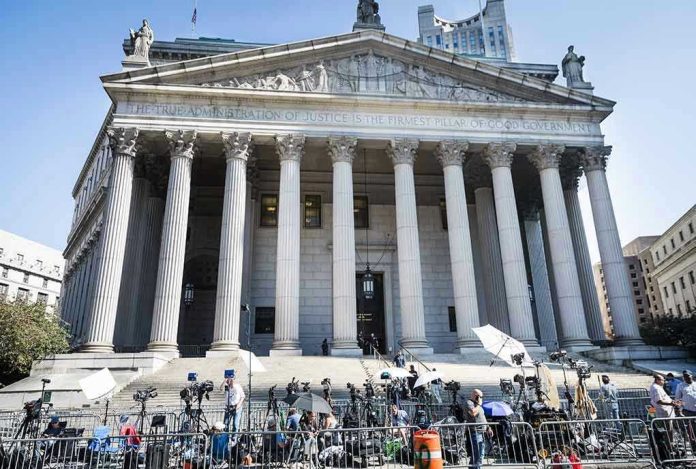
The controversy did not stay inside a courtroom for long. Social media, live cameras, and courthouse protests pushed the story outward fast. KSTP video coverage showed protesters being sprayed with chemical irritants outside the St. Paul courthouse during the hearing, while other live reports showed crowds gathering around the federal building after the charges were announced. That public scene mattered because it turned the indictment into a wider debate about protest, force, and federal power.
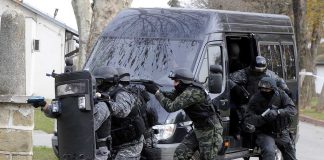
Prosecutors say the conduct went beyond chanting or sign-holding. NBC News reported allegations that defendants used vehicles and blocks of ice to slow or block agents, and that they used makeshift shields to resist law enforcement.[3] WCCO also reported that prosecutors relied on encrypted chats and private meeting conversations, and that one social-media post tied to Kyle Wagner said, “No, not talking about peaceful protests anymore… Get your guns and stop these people.”[3] Those claims, if proven, would help show intent.
What the Government Still Has to Prove
The indictment is not a trial verdict. It is an accusation, and the public record in the supplied reporting does not reproduce the full charging document line by line.[1][3][6] That matters because the hardest part of a case like this is often not the broad story. It is pinning each act to each defendant with clean proof. The reporting also notes that some alleged conduct, like the use of ice blocks, was described without naming every individual tied to each act.[8]
There is another layer of caution. KAXE reported that earlier related charges in the wider anti-ICE protest fight had been dropped, and defense lawyers said some earlier claims were based on false information.[8] That does not clear the new defendants. It does mean the public should separate this indictment from a simple victory lap by prosecutors. The strongest conservative reading is plain enough: if the government has proof, it should present it clearly and completely.
**Leftist Rioters Storm Courthouse After Antifa Indictments — Bear Spray Deployed!**
BREAKING: Leftist rioters attempted to attack the federal courthouse in St. Paul after 15 Antifa members were indicted by DOJ. Officers deployed bear spray to stop them forcing doors open.… pic.twitter.com/AYaxe2XxCV
— Juan Coolio (@JuanCoolioX) June 17, 2026
Why the Timing Matters
This case lands in a broader climate where immigration enforcement, protest policing, and political identity collide fast. The supplied background shows that protest-related policing has become more aggressive across the country, and that anti-protest laws and tougher enforcement responses have multiplied in recent years.[15][16][18] That does not prove the defendants are innocent or guilty. It does explain why each side reaches for a larger story before the evidence is fully tested.
The public release already creates a powerful frame. Officials use words like “antifa,” while critics point to selective enforcement and political theater.[1][2][6][8] That is exactly where common sense should slow things down. A courtroom should not decide guilt by label, and a label should not replace evidence. The real question is whether prosecutors can connect each defendant to each charge with records, footage, testimony, and authenticated communications that hold up under cross-examination.
For now, the indictment is the opening move, not the end of the game. The next phase will likely turn on the full charging text, preserved video, device records, chat logs, and witness testimony. Until then, the case stands as a sharp example of how fast protest can harden into criminal law once the government believes organization crossed the line into coordination, obstruction, and violence.
Sources:
[1] Web – All Hell Breaks Loose Outside Federal Courthouse in St. Paul After …
[2] Web – 15 Members of Direct Action Minnesota, a Minneapolis …
[3] Web – 15 in Minneapolis facing charges for anti-ICE actions, feds …
[5] YouTube – Killings of Good and Pretti: Will Agents be Charged?
[6] Web – Federal prosecutors announce charges against 15 anti-ICE …
[8] YouTube – Federal charges against anti-ICE demonstrators spark …
[15] Web – DOJ charges 30 more people in Minnesota anti-ICE church protest
[16] Web – As anti-ICE protest cases falter, prosecutors notch first conviction …
[18] Web – US Protest Law Tracker – ICNL