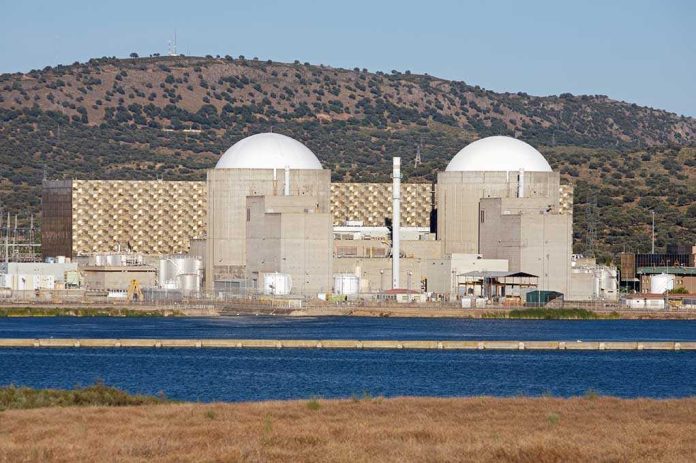
California’s most notorious concrete twins are finally coming down, but the nuclear story they hide will outlast the rubble.
Story Snapshot
- The San Onofre domes are scheduled for removal near the 2027–2028 window.
- All spent fuel left the pools and now sits in dry storage onsite, changing the risk profile.
- Federal inspections reported compliance in key safety areas during recent decommissioning work.
- Activists argue the coastal fuel storage still poses corrosion and earthquake risks.
What is getting demolished versus what is staying
The twin domes along Interstate 5 will be dismantled by the end of 2027 according to some accounts, while other reports say final disappearance could extend into 2028. That distinction matters. The domes are iconic shells. The independent spent-fuel storage remains after the domes go. That split can confuse people who see a cleared skyline and assume the nuclear chapter is closed. Officials and news reports both acknowledge this schedule nuance and lingering storage reality.
Southern California Edison moved the fuel out of the pools and into sealed steel canisters inside concrete vaults called an onsite independent storage installation. That step removes the chance of a pool accident, including a heavy load drop or a rapid loss of cooling water. Regulators documented that with the transfer complete, certain fuel-handling accidents are no longer credible. The new risk picture centers on canister integrity and storage monitoring, not pool hazards.
What federal inspectors actually found on safety
The United States Nuclear Regulatory Commission documented that selected decommissioning, spent-fuel, waste, and transport activities met license rules and site procedures in a 2020 inspection. Inspectors reported no violations within the scope they checked. That is not a blank check for future work, but it shows the project performing to plan across the parts reviewed. Earlier inspections also described demolition steps paired with radiological surveys before disposal at offsite landfills.
Federal reporting rules backstop those findings. The plant must file annual radioactive-effluent and radiological-environmental reports. These describe measured releases and what monitors detect around the site. The reports give a paper trail for exceptions and trends. They also set a fair test: compare measured values to limits, not rumors to fears. The most recent years’ numbers will matter most during the heavy demolition push.
How the domes will be taken down safely
Demolition at nuclear sites looks ordinary from the road—hoes, cutters, dust control—but the rules behind it are strict. Crews stage work, sample concrete, and separate any material that fails survey screens. Water cannons and enclosures keep dust down. Air monitors confirm results. Earlier San Onofre work followed this playbook, and regulators reviewed the surveys and controls. The same approach should govern the dome removal phases the public will watch next.
The iconic dome-shaped structures of the San Onofre Nuclear Generating Station off Interstate 5 are set to be demolished by 2028. https://t.co/k6cM8nd2l4
— Daily Press (@VVDailyPress) November 13, 2026
Common sense says demand the plan before the show. The public should see the dome-specific work package and the air-monitoring thresholds. That is not red tape; that is trust. Conservative values favor records over vibes. Release the demolition controls, the stop-work criteria, and the waste-routing plan. When officials say “as safe as when it ran,” back it with posted measurements and rapid alerts if something drifts. Sunlight keeps everyone honest.
The part that keeps people up at night: the fuel
Activists argue the coastal storage pad sits too close to salt spray and rising seas, and that thin steel canisters could corrode, crack, or become hard to inspect and repair. They also cite earthquake and tsunami risk. These are specific claims that deserve specific answers. The storage system has drawn lawsuits, public meetings, and sharp debate for years because the fuel may remain onsite for decades without a federal repository.
Two facts can sit side by side. First, the site’s hazard profile is lower today than when reactors ran and pools held hot fuel. Second, onsite dry storage still carries real stewardship duties, including security, aging management, and transport planning. A 2018 near-drop during a canister move showed why procedures and oversight matter. It became a forcing event for tighter handling controls. People remember close calls longer than clean audits, and that is rational.
The accountability checklist that should guide the next two years
Five steps can calm the noise and focus on proof. Publish the dome-demolition air and dust plan before major cuts start. Post live perimeter air-monitoring during work with weekly summaries. Release the last five years of effluent and environmental reports in a single dashboard. Share the dry-cask aging-management results, including any repair or inspection tool trials. Clarify the schedule: dome removal by 2027, site work into 2028, and the status of any path to move the fuel off the bluff.
Taxpayers and ratepayers deserve clarity on money and milestones. Decommissioning trust funds, insurance, and contractor schedules should support the dates leaders cite. When an inspection praises compliance, accept it—but verify the next task. When activists claim constant leaks, ask for numbers at a monitor and compare to limits. Facts should lead feelings. If San Onofre finishes heavy demolition on time, the skyline changes. The duty to guard the fuel remains until Washington does its job.
Sources:
nypost.com, nrc.gov, desertsun.com, new.patch.com, ktla.com, surfrider.org, timesofsandiego.com, sandiego.ans.org