

Poland says the Pentagon has given a green light to a permanent U.S. base on its soil, and now the clock is ticking on the White House.
Story Snapshot
- Poland’s defense minister says the Pentagon signaled support for a permanent U.S. base.
- President Trump is expected to make the final call in early December.
- Poland frames the move as a strategic upgrade in the alliance.
- Past plans like “Fort Trump” show politics and process still matter.
Poland Says Pentagon Gave the Green Light
Poland’s Defense Minister Władysław Kosiniak-Kamysz said the Pentagon supports building a permanent U.S. base in Poland after talks in Washington with Defense Secretary Pete Hegseth. He described Hegseth’s response as a green light. He also said the next step rests with President Trump, who is expected to decide in early December. Poland’s defense ministry highlighted the message as proof of a tighter U.S.-Poland bond and a step toward deeper, long-term military ties.
The Pentagon’s readout did not spell out a base decision, but Poland’s account underscores momentum toward a constant U.S. presence. Warsaw has pushed for years to lock in American troops on its territory. The argument is simple: deterrence is stronger when allies do not pack up every few months. The minister’s framing turns a warm Pentagon signal into a policy milestone, while keeping the spotlight on the upcoming White House decision window.
What a Permanent Base Would Mean on the Ground
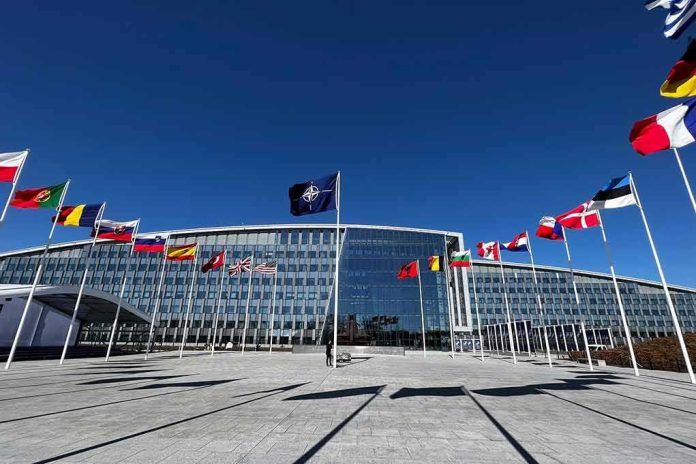
A permanent base would anchor logistics, air defense, and training where they matter most for the North Atlantic Treaty Organization’s eastern flank. It would cut response times, reduce rotation churn, and harden supply lines. It would also send a clear signal to Moscow that the alliance’s center of gravity has shifted east. For American conservatives, the logic lines up with peace through strength: forward readiness, clear commitments, and fewer doubts in a crisis.
Poland has scaled up defense spending, modernized its forces, and aligned its laws to speed allied projects. A standing U.S. hub would tie into air bases, prepositioned equipment, and missile defense already in motion. That network effect is the point: more speed, more resilience, and fewer seams to exploit. Allies invest more when America nails stakes into the ground. Adversaries think twice when the tripwire is thicker, not thinner.
The Decision Path: Signal Today, Steel Tomorrow
The path from a Pentagon signal to bulldozers is a chain, not a single link. The United States secures overseas basing through diplomatic accords, host-nation support, and military construction steps that require notifications and funding lines under federal law. Military construction and acceptance of host-nation in-kind projects carry formal processes, including notifications to Congress outlined in Title 10 of the United States Code. That is normal. Strategy moves fast; concrete sets after the paperwork.
Poland knows the ground game well and has offered locations and support to speed the setup. The harder the site, the more useful it may be in a real fight. The smarter play is picking nodes that plug into air and missile defense, roads, rails, and fuel. That is how a base stops being a flagpole and starts being a force multiplier. If the White House decision lands as expected, the system will move to draft, design, and build while allies align timelines and dollars.
The Fort Trump Lesson: Aim High, Land Smart
Poland tried something like this before. The “Fort Trump” push in 2018 made a splash but stalled over site choices, legal terms, and cost sharing. The United States added forces, but the base idea faded. The lesson favors patience, not pessimism. Big posture moves need a shared map, solid budgets, and legal cover. Today’s effort looks more focused: start with a base, nest it in allied defense plans, and keep the decision tree clear from day one.
If President Trump approves the base, the message abroad will be crisp. The United States will defend the line where the threat is closest. That stance fits conservative common sense: deter forward so you do not have to fight at home. It also asks allies to carry weight. Poland already is. With a permanent base, American troops would train, deter, and, if needed, fight with less delay and more backing. That is what real deterrence looks like.
Sources:
realcleardefense.com, stripes.com, gov.pl, polskieradio.pl, congress.gov