Hakeem Jeffries said “everyone” tied to the MAGA movement should expect questions, and that one word set off alarms about power, scope, and the line between oversight and punishment.
Story Snapshot
- Jeffries linked the MAGA movement to “carnage and damage” and warned of inquiries.
- Judiciary and Oversight are the expected venues, with named prospects to lead.
- Elon Musk’s role and claims about Social Security and Medicare surfaced as flashpoints.
- Critics say “everyone” risks targeting voters, not just officials or misconduct.
What Jeffries Said And Where He Aims To Take It
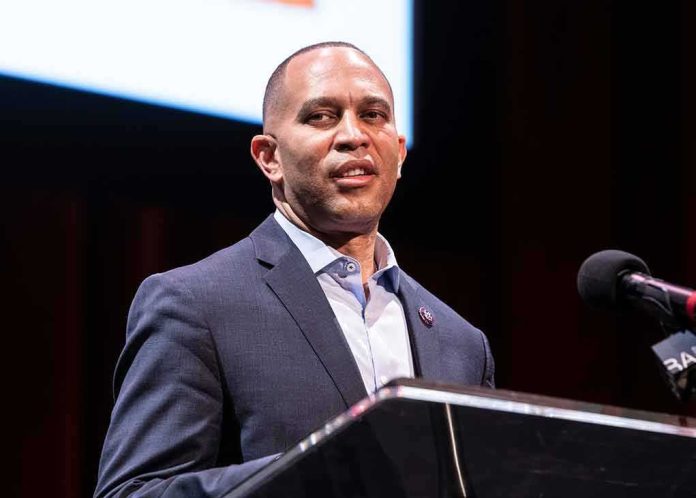
House Democratic leader Hakeem Jeffries told MS NOW that “everyone who has been part of this MAGA extremist movement” should be ready to answer questions about the “carnage and damage” he says they unleashed. He cast the goal as learning what happened, why it happened, and how to prevent it from happening again. He pointed to the House Judiciary and House Oversight panels as the likely venues, while declining to name specific investigations or targets.
Jeffries’s comments also pulled in Elon Musk. He claimed Musk “held up a chain saw,” then tied him to attempts to “detonate” Social Security and Medicare. The remarks fit a larger narrative that links tech influence, campaign money, and policy shocks. The record in the coverage did not list precise actions, affected programs, or dollar impacts tied to Musk. The lack of specifics leaves a political claim waiting on committee facts to back it up.
The Machinery: Committees, Chairs, And Jurisdiction
Democrats see the House Judiciary Committee and the House Oversight Committee as the engines for this agenda. Reports have floated Representative Jamie Raskin as a prospective point on Judiciary and Representative Robert Garcia on Oversight. That signals a real institutional path rather than a cable clip. Still, no formal probe has been announced. No subpoenas, hearing notices, or witness lists have been published. The playbook exists; the play call has not been made public yet.
Congress has the power to investigate to inform laws and oversee programs. The Constitution’s structure allows inquiries tied to legislation, appropriations, and administration. That power is not a blank check. Oversight must pursue a legislative purpose and respect protected speech and association. History shows both parties use this tool hard when control flips. The motive may be mixed, but the power is real and longstanding.
How Broad Is “Everyone,” And Why That Word Matters
Conservative critics say the language blurs the line between probing official acts and targeting a political identity. They hear “everyone” and ask if that includes the roughly tens of millions who voted for Trump. That concern lands because the interview did not draw a clear boundary between elected officials, staff, donors, activists, and ordinary supporters. The breadth invites claims of overreach before any evidence enters the record.
Skeptics also point to recent fights over investigative scope. Senator Chuck Grassley alleged that investigators swept up data on hundreds of thousands of Republican donors and even merchandise buyers, calling it invasive and off-mission. Whether or not those claims map to any new House effort, they prime the public to expect dragnet tactics and to suspect partisan lists, not narrow, evidence-based reviews.
Accountability Versus Retaliation: The Test Ahead
Jeffries framed the goal as prevention through accountability, not payback. That case must rest on specific facts tied to clear harms, time frames, and actors. If Judiciary and Oversight document concrete misconduct by public officials, contractors, or grantees, most Americans will see fair oversight. If the process leans on affiliation rather than acts, it will look like a speech test, which defies common sense and core rights.
Hakeem Jeffries made his agenda clear moments after he was elected as the Democratic candidate for Speaker: “fight MAGA extremism,” not to lower costs or make life easier for Americans.
Democrats will spend the 120th Congress prioritizing investigations, impeachments, and… https://t.co/HNLxPpVEWB
— Sheri Biggs (@RepSheriBiggs) November 19, 2026
A practical path exists. Committees can publish scoping memos that define targets by role and conduct, not identity. They can set a bright line that excludes voters and lawful advocacy. They can anchor claims to agency records, inspector general findings, and sworn testimony. Tight guardrails would blunt the “Full Stalin” charge and put the debate back on facts, programs, and results, where Congress holds real authority to act.
Sources:
pjmedia.com, thehill.com, thedailybs.com, realclearpolitics.com