

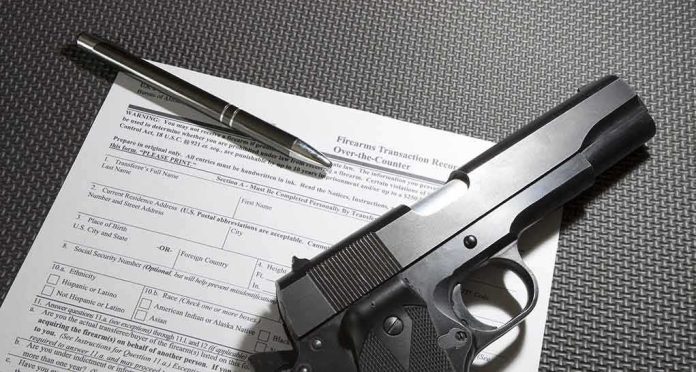
Texas lawmakers filed bills that could take guns within 24 hours under court orders, and the clock is what has gun owners on edge.
Story Snapshot
- House Bill 218 would set up extreme-risk protective orders with fast gun surrender after a judge’s finding.
- House Bill 613 would require background checks for private gun sales and transfers.
- Gun-rights groups call the package red-flag confiscation and a path to a registry.
- Research on extreme-risk laws shows mixed or limited evidence for big safety gains.
What HB 218 Actually Does, and Why the Timing Matters
House Bill 218 creates a court process to restrict guns when someone is found to be an immediate danger. The bill allows emergency orders that can require a person to surrender firearms within roughly a day, with law enforcement tasked to enforce the order. Supporters say this targets people in crisis. Opponents see due-process risk when orders come fast, sometimes before a full hearing. The gap between speed and safeguards is where most of the fight now lives.
Texas Gun Rights calls this “red flag gun confiscation” and warns about ex parte orders, which can be issued without the gun owner present. That label is advocacy, but the concern tracks the bill’s urgent-surrender feature and the early stage of review in an emergency. Common-sense conservatives value due process as much as safety. The bill’s fate may hinge on how clearly it sets tight timelines for a prompt, full hearing and strict penalties for false claims.
HB 613 Extends Background Checks to Private Transfers
House Bill 613 would require background checks for private gun sales and transfers through the federal system, closing the “private sale” gap in Texas law. Backers argue this aligns private deals with dealer sales, which already require checks. Critics warn the wording on “transfers” could sweep in normal, short-term loans among family or friends. Texas Gun Rights brands this “universal gun registration,” arguing records of checks can morph into tracking lists over time.
Whether HB 613 creates a backdoor registry depends on record retention and data-sharing rules, not just the check itself. A clean, narrow law would define “transfer,” exempt brief loans for hunting or range use, protect emergency self-defense handoffs, and bar any database that links ordinary owners to serial numbers. Lawmakers who miss these details invite the very creep that gun owners fear. The policy goal is to stop prohibited buyers, not to tag the law-abiding.
The Safety Claims vs. The Evidence Record
Supporters lean on stories of threats, suicide risk, or domestic crises, and they point to extreme-risk orders as a fast tool to break the chain. The research picture is less clear. Reviews by the RAND Corporation describe limited evidence that extreme-risk laws may reduce suicides, and inconclusive effects on violent crime and homicides. That is not a verdict against the policy. It is a warning to design with discipline, measure results, and fix what fails.
Practical conservatives can hold two truths at once. First, tools that can save lives in the worst hour deserve a look. Second, any tool that reaches into the home must come with strong guardrails. That means clear evidence standards, short emergency windows, quick hearings with counsel, a high bar for renewals, and automatic return of property when the order ends. It also means a firm line against fishing expeditions by neighbors or political rivals.
What Gun Owners Should Watch in the Bills’ Fine Print
Three items deserve close watching. One, the definition of “immediate danger” in HB 218, plus what facts meet that test, will decide whether the law targets real threats or sweeps too wide. Two, the deadline for a full adversarial hearing after an emergency order must be fast, measured in days, not weeks. Three, HB 613’s transfer language should protect family gifts, temporary loans, and urgent self-defense situations while still blocking true sales to prohibited buyers.
Political winds will add heat. The National Rifle Association argues the package would restrict Second Amendment rights, and Texas Gun Rights vows to fight “every one” of these bills. Lawmakers can lower the temperature by writing bright lines into statute: define terms, limit who can petition, cap order length without fresh proof, and ban any registry. Safety without stacked decks is the benchmark. Texans will spot a bait-and-switch a mile away.
Sources:
tpr.org, khou.com, thetexan.news, ftw.usatoday.com, yahoo.com, dailysignal.com, chron.com