

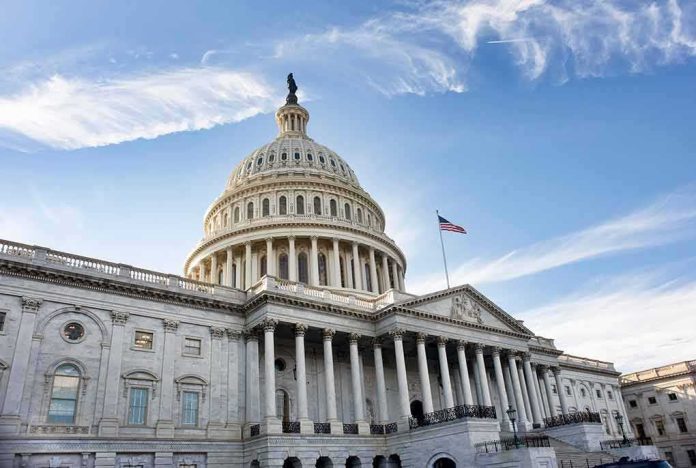
Sixty-two senators just voted to cut red tape without scrapping core environmental laws—and that changes how America builds.
Story Snapshot
- The Senate passed the Bipartisan American Affordability and Jobs Act, 62–33.
- Backers say it speeds permits while keeping Clean Air and Clean Water protections.
- Opponents warn it narrows state power under the Clean Water Act.
- The bill now turns on how agencies and courts apply its new guardrails.
What Passed, Who Backed It, And Why It Matters
The Senate approved the Bipartisan American Affordability and Jobs Act with a strong bipartisan vote, 62–33. The coalition behind it spans conservatives focused on energy security and moderates who want faster builds for power lines, pipelines, roads, and data centers. Supporters frame the bill as a fix for slow and overlapping reviews that stall jobs and raise costs. They argue it reforms, not repeals, bedrock laws like the National Environmental Policy Act and the Clean Water Act.
The bill text and committee materials show targeted edits to the federal review playbook. They point to clearer timelines, a single lead agency to cut duplication, and tighter scopes so projects do not bounce between agencies for years. The Environmental and Public Works Committee says the reforms apply within existing legal frameworks, including the Endangered Species Act. The claim is simple: same standards, faster decisions, steadier rules for investors and builders.
How The Bill Changes The Permit Chessboard
The core shift is coordination and speed. Projects get one quarterback agency. Reviews follow set clocks. Agencies align data and avoid repeat work. That matters for both gas lines and long-distance power lines that carry wind and solar. The bill also tightens parts of the Clean Water Act process by focusing water-quality reviews on clearly defined impacts tied to the discharge or project activity. That narrower scope answers long disputes over open-ended objections that stalled interstate projects.
Supporters say these guardrails give communities answers sooner, whether yes or no. They argue delay is not virtue when families need reliable power and businesses need clear costs. Faster reviews also cut litigation risk because a clean, well-run process earns more deference in court. The bet is that clearer duties and deadlines lift all boats: jobs, grid reliability, and timely environmental mitigation. That argument aligns with conservative priorities of energy abundance, rule clarity, and local prosperity.
The Pushback: State Authority And Water Protections
Opponents highlight trade-offs that deserve close reading. They say the bill narrows state authority under Section 401 of the Clean Water Act by limiting what states can weigh, especially for interstate pipelines and transmission lines. Critics warn that construction runoff, erosion, and turbidity could fall outside certification scope if read strictly. Some also object to longer terms for water discharge permits, arguing fewer update windows could lock in weaker limits.
BREAKING OVERNIGHT: SENATE PASSES TRUMP-BACKED AFFORDABILITY AND PERMITTING BILL 62–33
The Senate has passed President Trump’s sweeping affordability and permitting bill, aimed at unlocking $1.8 trillion in stalled projects, accelerating energy development, lowering costs pic.twitter.com/0qnOQDXXsK
— Q~Silent Cipher 47🇺🇸 (@QSilentCipher47) November 20, 2026
Legal commentators amplify that concern, flagging language that could raise bars for state denials and stretch permit terms. Environmental groups argue the package tilts toward fossil fuel buildout and trims public input windows. These claims merit scrutiny as agencies write guidance and judges interpret the new text. The stakes are clear: the line between “faster and focused” and “too narrow to protect water” will be drawn in rulemakings, permits, and court opinions over the next two years.
What To Watch Next: Implementation, Not Rhetoric
Congress has tried to speed building for a decade, from FAST-41 to new National Environmental Policy Act timelines. The pattern holds: laws set a frame, but outcomes hinge on execution. Agency staffing, project quality, and interagency discipline decide whether timelines stick. This bill could cut years off reviews if agencies enforce one-lead rules and scope discipline. It could also stumble if guidance drifts or litigation spikes over what states may still consider under Section 401.
Three simple tests will show if this deal delivers. First, do major energy and grid projects move from application to decision in under two years for typical reviews? Second, do final permits include strong, targeted mitigation that holds up in court? Third, do states still win genuine fixes for specific water harms tied to projects? If the answers trend yes, the bill will look like a conservative win for competence: clearer rules, faster results, same core protections.
The Bottom Line: Build Faster, Keep Standards, Prove It
The Senate vote puts a marker down: America can speed up without giving up standards. The text claims reform inside the law, not outside it. Backers have the momentum and the math. Opponents have concrete concerns on state authority and water safeguards. The real verdict arrives in implementation data, not press releases. If decisions come sooner, lights stay on, costs ease, and streams stay clear, this will stand as a rare Washington promise kept.
Sources:
townhall.com, epw.senate.gov, capito.senate.gov, britt.senate.gov, barrons.com, enotrans.org, yahoo.com, congress.gov