
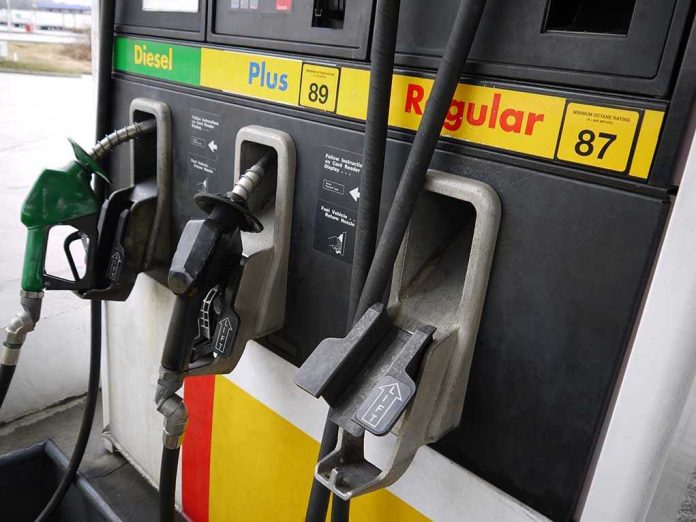
Trump’s blunt warning that gas prices are “peanuts” next to Iran getting nuclear weapons reframed energy pain as the cost of preventing catastrophe—and markets twitched on cue.
Story Snapshot
- Trump tied oil-price relief to ending Iran’s nuclear threat and said prices would fall after a deal [2][4].
- Oil prices moved immediately after his “clock is ticking” signal, reflecting risk-premium math, not barrels moved [1][3].
- Negotiations existed but looked stalled; Iranian terms were portrayed as maximalist, U.S. concessions as insufficient [1][5].
- Short-term price jumps offered headlines, not proof of a lasting post-deal decline [3][5].
Trump’s Message: Stop Tehran’s Bomb Quest, Then Watch Prices Fall
Donald Trump asserted that American energy strength means the country profits when oil rises, but emphasized a higher priority: stopping Iran from obtaining nuclear weapons. He linked this national-security aim to consumer relief, arguing prices would “drop rapidly” once the Iran nuclear threat ended [2][4]. He also referenced prior use of the Strategic Petroleum Reserve to manage price pressure, while framing the real objective as denying Iran a nuclear capability. The policy frame cast inflation frustration against a larger deterrence bill Americans supposedly accept [2].
Markets did not wait for inspectors or treaties. After Trump warned Iran that “the clock is ticking,” crude prices jumped, with reports attributing the move to his message and the implied rise in conflict probability [1][3]. That is textbook risk premium behavior: futures reprice expected supply disruption long before any tanker is turned around. Trump’s social post became an input into trading models, signaling either heightened danger now or lowered danger later if a deal materializes [3].
The Negotiation Reality: A Table With Too Many Red Lines
Public accounts described active proposals but little meaningful convergence. Reports said Trump “ripped up” an Iranian offer after “one line,” underscoring that a draft existed yet failed fast at the top level [1]. Other coverage described the ceasefire or broader negotiation posture as “on life support,” with Iranian demands depicted as too sweeping and United States concessions as insufficient [5]. That record supports the narrower, unglamorous truth: a deal framework existed, but the distance between capitals remained large and enforcement pathways unclear [1][5].
Oil’s reflexive spike on hawkish rhetoric did not verify a glide path to cheaper fuel. The immediate gains reflected fear, not fundamentals, while the promised decline presupposed a signed, enforced agreement that unwinds sanctions risk and deters future escalation. None of the reports showed durable post-deal price relief because no deal closed. That leaves the claim in the realm of conditional forecasting: if the nuclear threat ends credibly, the risk premium may compress; until then, volatility taxes motorists in real time [3][5].
Security First, Wallet Second: A Conservative Risk Calculation
Trump’s prioritization of preventing a nuclearized Iran over cheaper gasoline aligns with bedrock conservative logic: peace through strength and deterrence beats temporary price relief that emboldens adversaries. The factual record shows he tied oil dynamics to the strategic end state, not the other way around, and used federal tools like the petroleum reserve while refusing to subordinate nuclear risk to pump prices [2]. That stance reads as common sense: you can hedge energy pain; you cannot hedge a nuclear breakout by an avowed adversary.
Trump warns US may strike Iran in coming days if no deal. Oil prices and global financial markets on alert.
— Vermouth (@vermoutharc) May 20, 2026
Critics argue that stalled talks and maximalist positions undercut any optimism. The reporting supports their caution, but it also explains the market’s whipsawing: traders price probabilities, not press releases. If a credible agreement verifiably reduces nuclear risk and de-escalates regional threats to shipping lanes, oil’s risk premium should shrink. If not, prices will keep translating headlines into cents per gallon. Until documents replace declarations, Americans are paying the volatility surcharge for ambiguity [1][3][5].
Sources:
[1] YouTube – Donald Trump tells Iran ‘clock is ticking’ as oil prices jump …
[2] Web – Trump says as largest oil producer, US benefits when oil prices rise
[3] Web – Trump’s Iran warning sends oil prices soaring and global markets …
[4] YouTube – Trump reacts to concerns over oil prices as Iran war rages on
[5] YouTube – Oil prices settle higher after Trump says Iran ceasefire “on life …